Learn the craft, one guide at a time
Plating is a learnable system, not a talent. These guides break down what professional kitchens do — so you can run the same moves on a weeknight dinner.
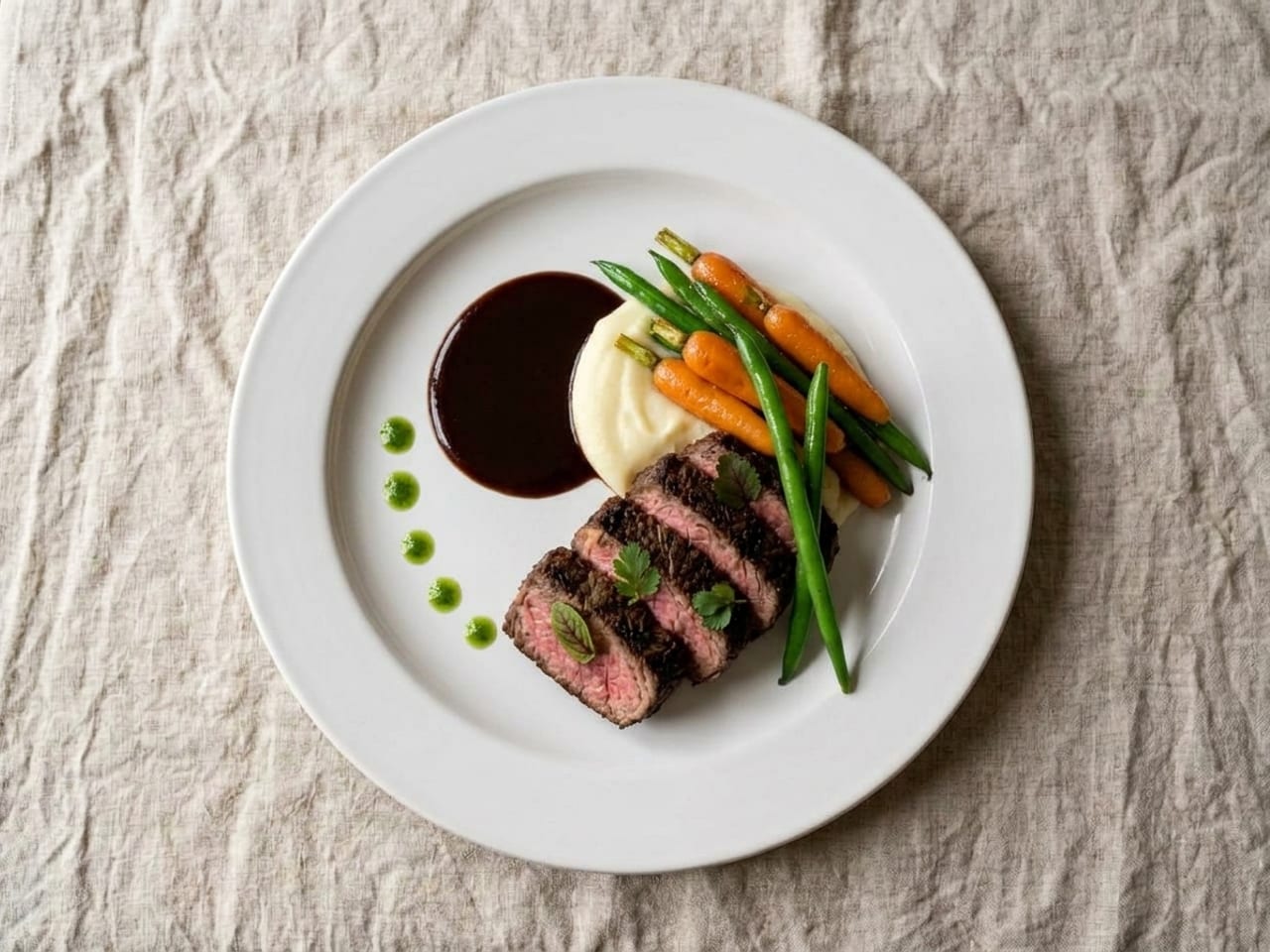
Plating 101 — how to plate food like a professional chef
The whole craft in one guide: the clock method, height, negative space, sauce technique, garnish rules and a step-by-step plating routine — grounded in published research on presentation and taste.
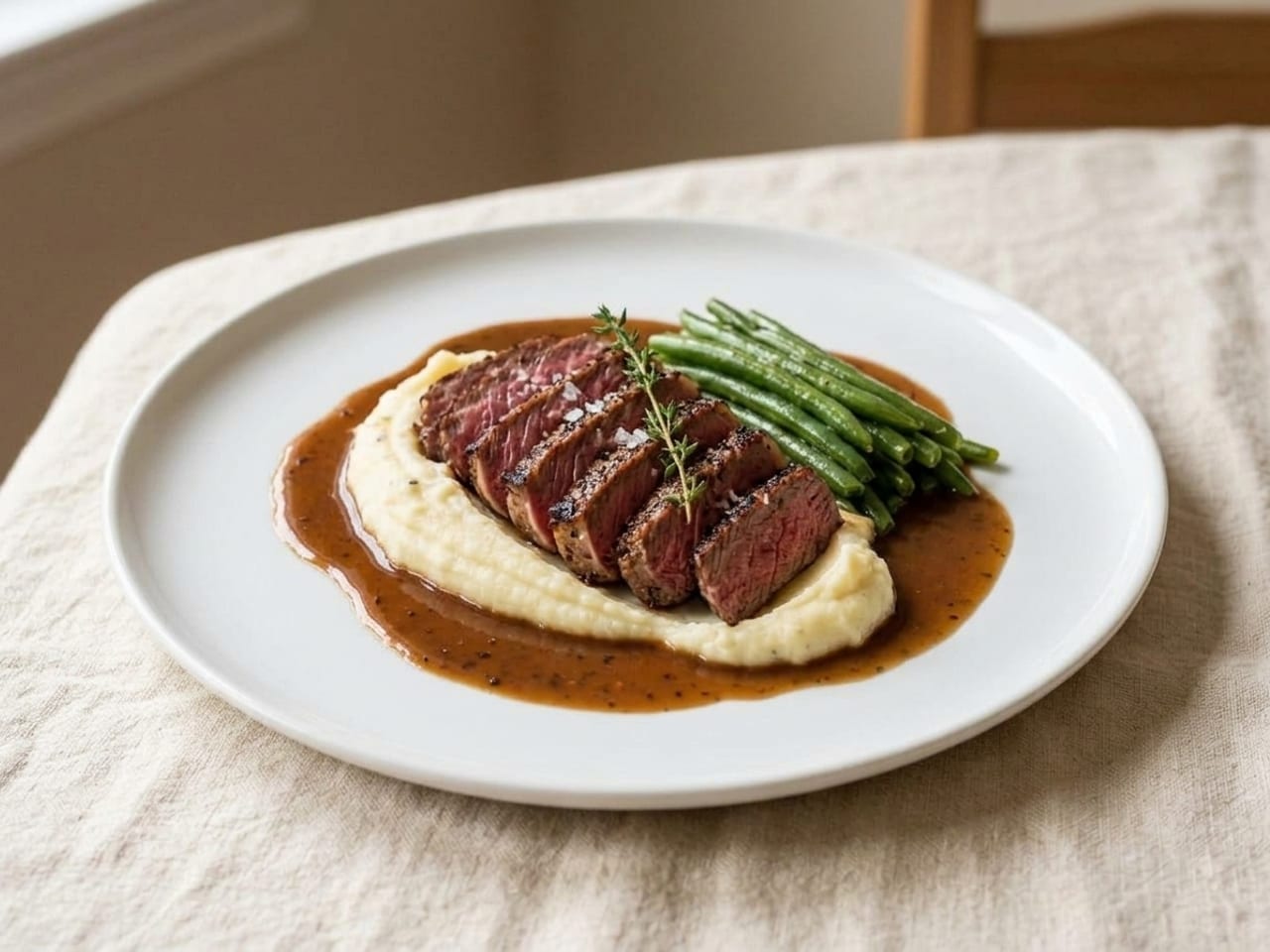
How to plate food like a chef — dish by dish
The six-step method, then pasta, steak and mashed potatoes, chicken parmesan, salmon, fish, lamb chops, shrimp cocktail, deviled eggs, rice and sandwiches, each shown as the same home dinner before and after re-plating.
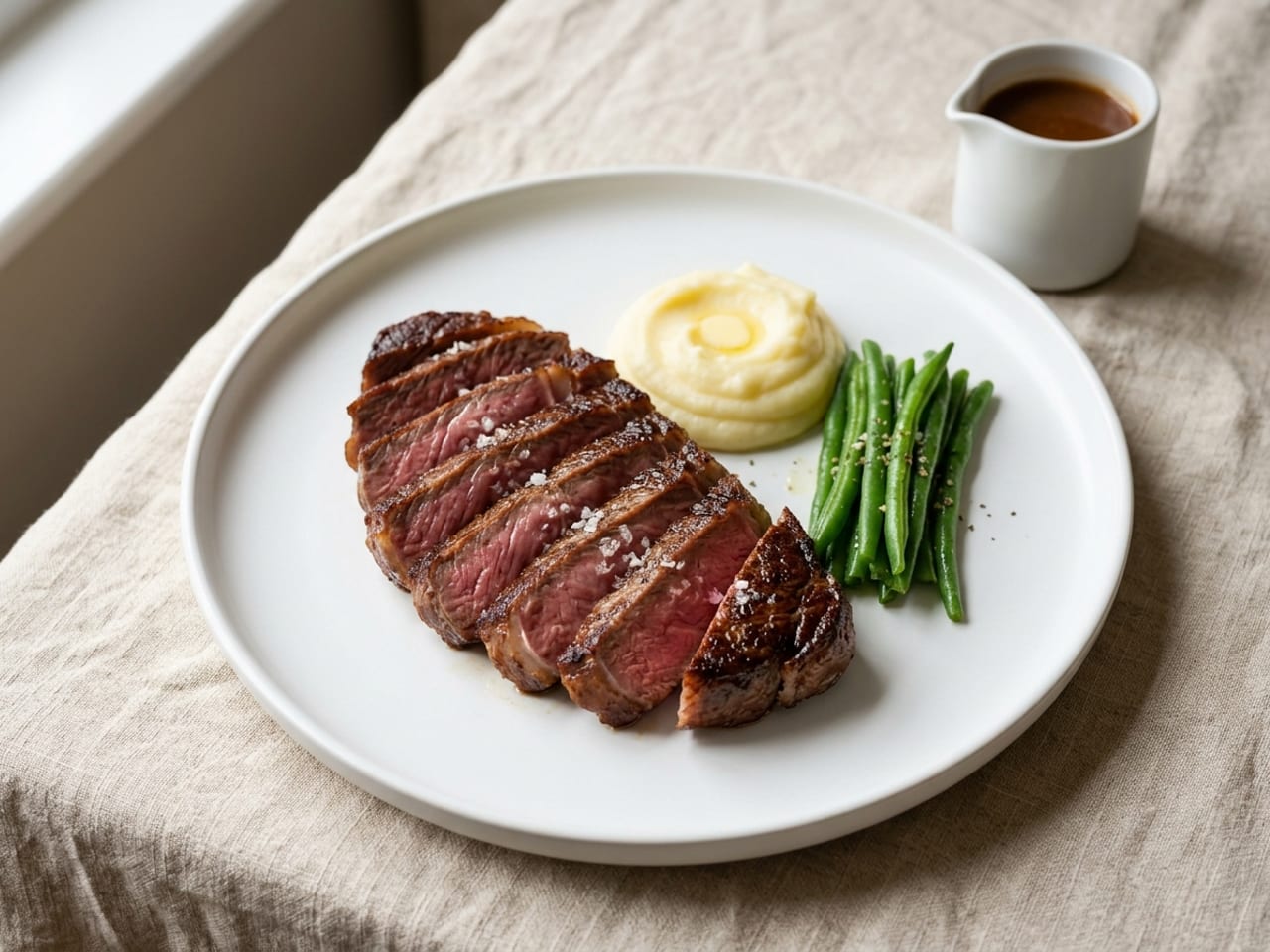
How to plate steak: whole or sliced, sauce by sauce, side by side
The six steps, then slicing against the grain cut by cut, what was measured about resting, where each sauce goes, and how to plate steak with mashed potatoes, fries, asparagus, eggs or lobster, from filet mignon to tomahawk, with whose doneness table says what.
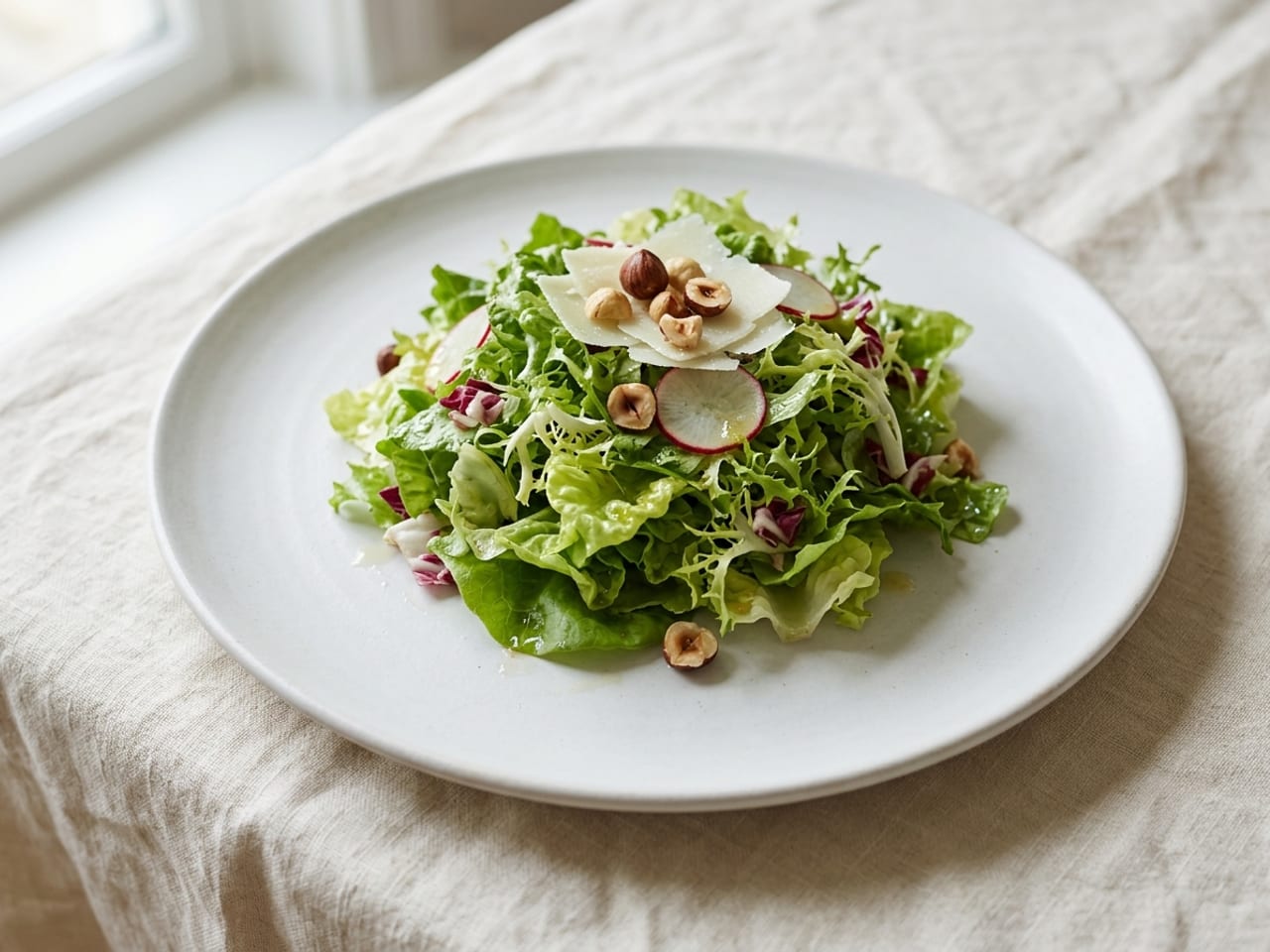
How to plate salad: tossed, composed or bound, classic by classic
The six steps, then plate or bowl, how to dress a salad and where the dressing goes, building height, and how to plate a Caesar, caprese, wedge, Cobb, niçoise, Greek, potato and fruit salad, with the textbook rules, what the plating studies found and food safety.
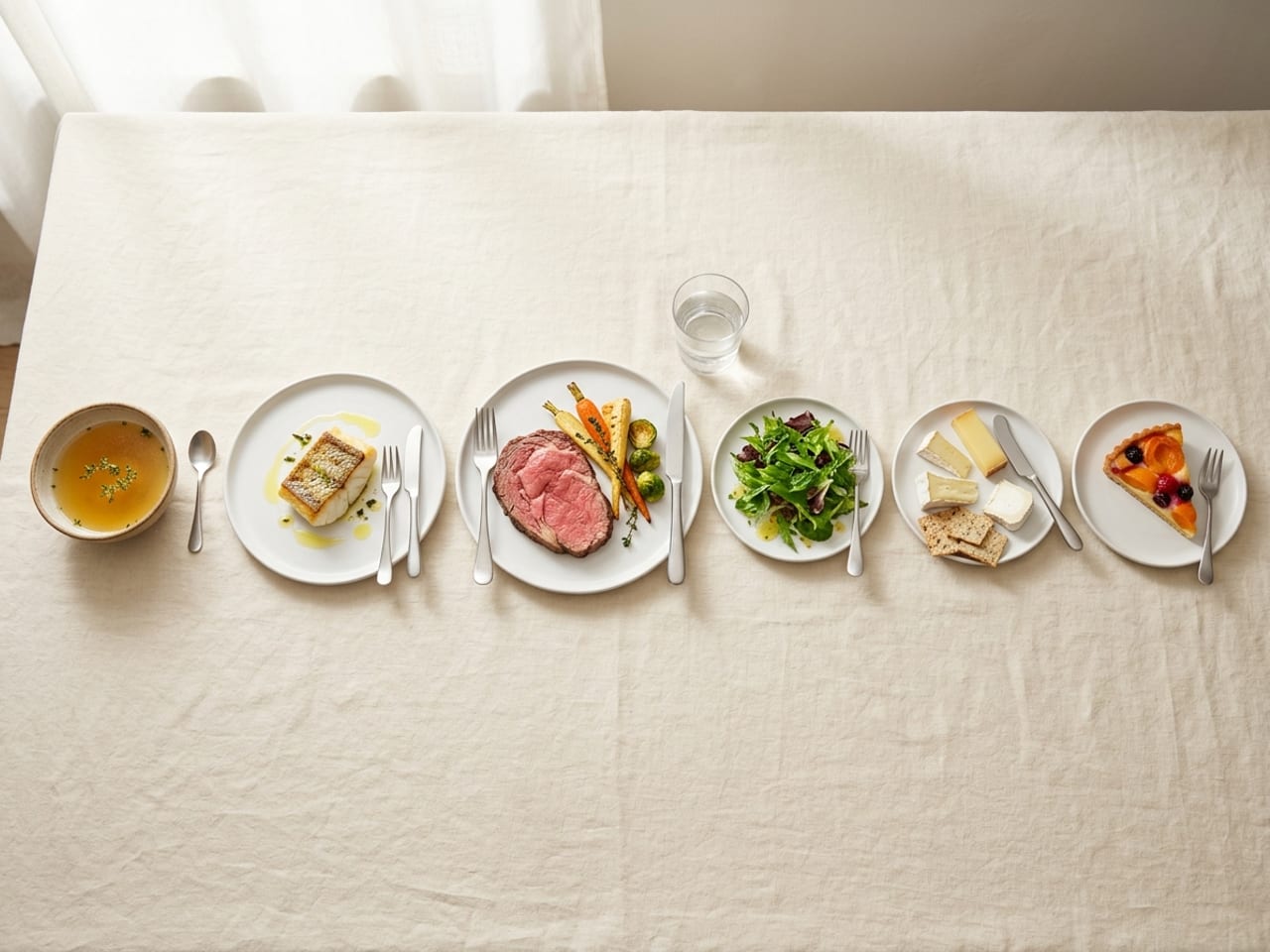
Courses of a meal in order: 3 to 12 courses, and who says so
The order for a 3, 5, 7 or 12-course meal with a named source for every list, the lists that disagree (salad before or after the main, cheese before or after dessert), the French and Italian orders, the 17-course menu and what Escoffier really wrote, the history, what the studies found, and food safety for a long dinner.
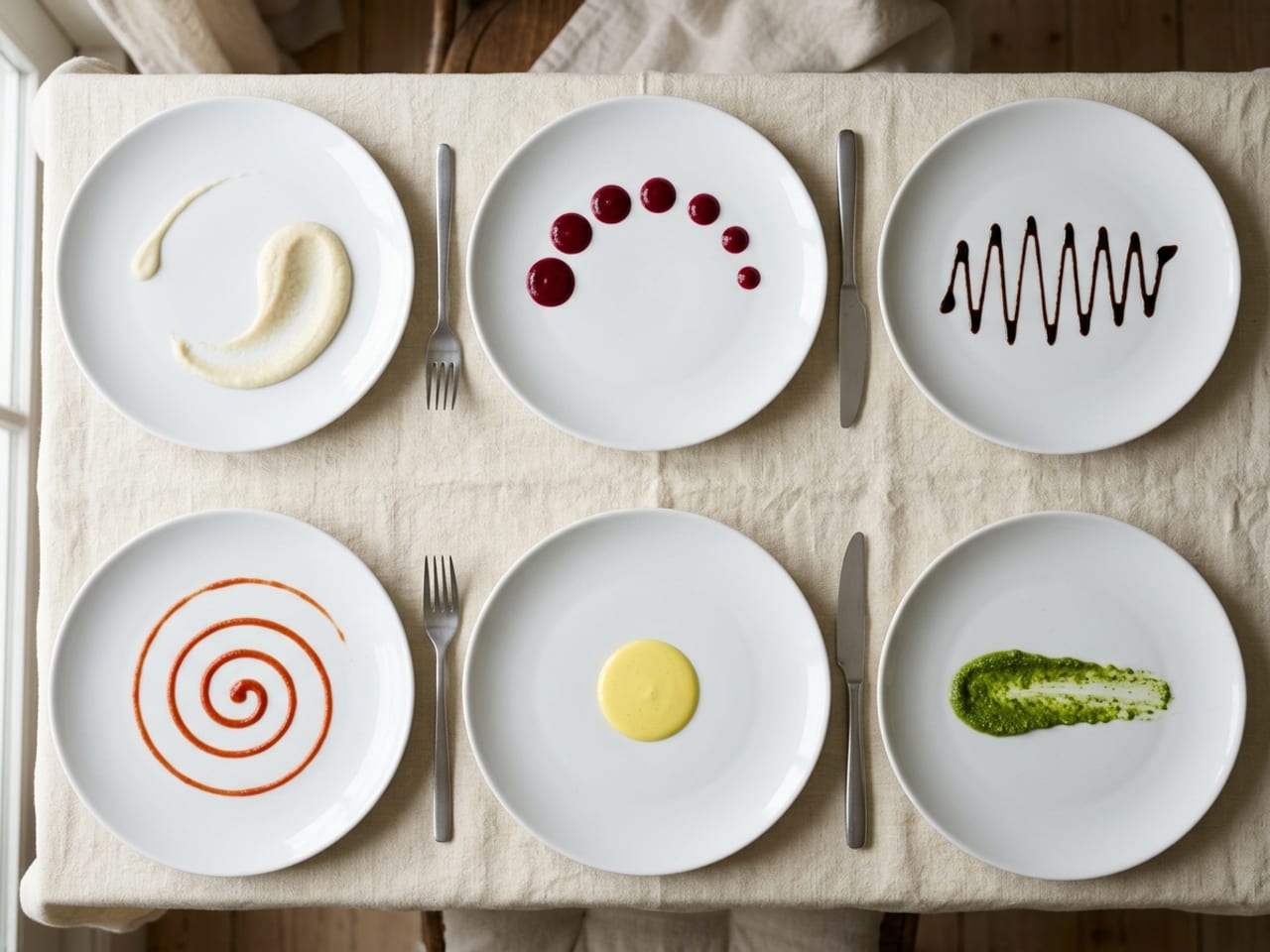
Sauce plating techniques: every move, its names and the thickness it needs
The swoosh or smear, dots, dragged dots, zigzags, rings, the pool, sauce spooned over, the cordon, the brush stroke and more: what each is called and by whom, the sources' own steps, the tool, how thick the sauce should be and how to get it there, fixes for weeping and torn swooshes, sauce under, beside or over, and food safety.
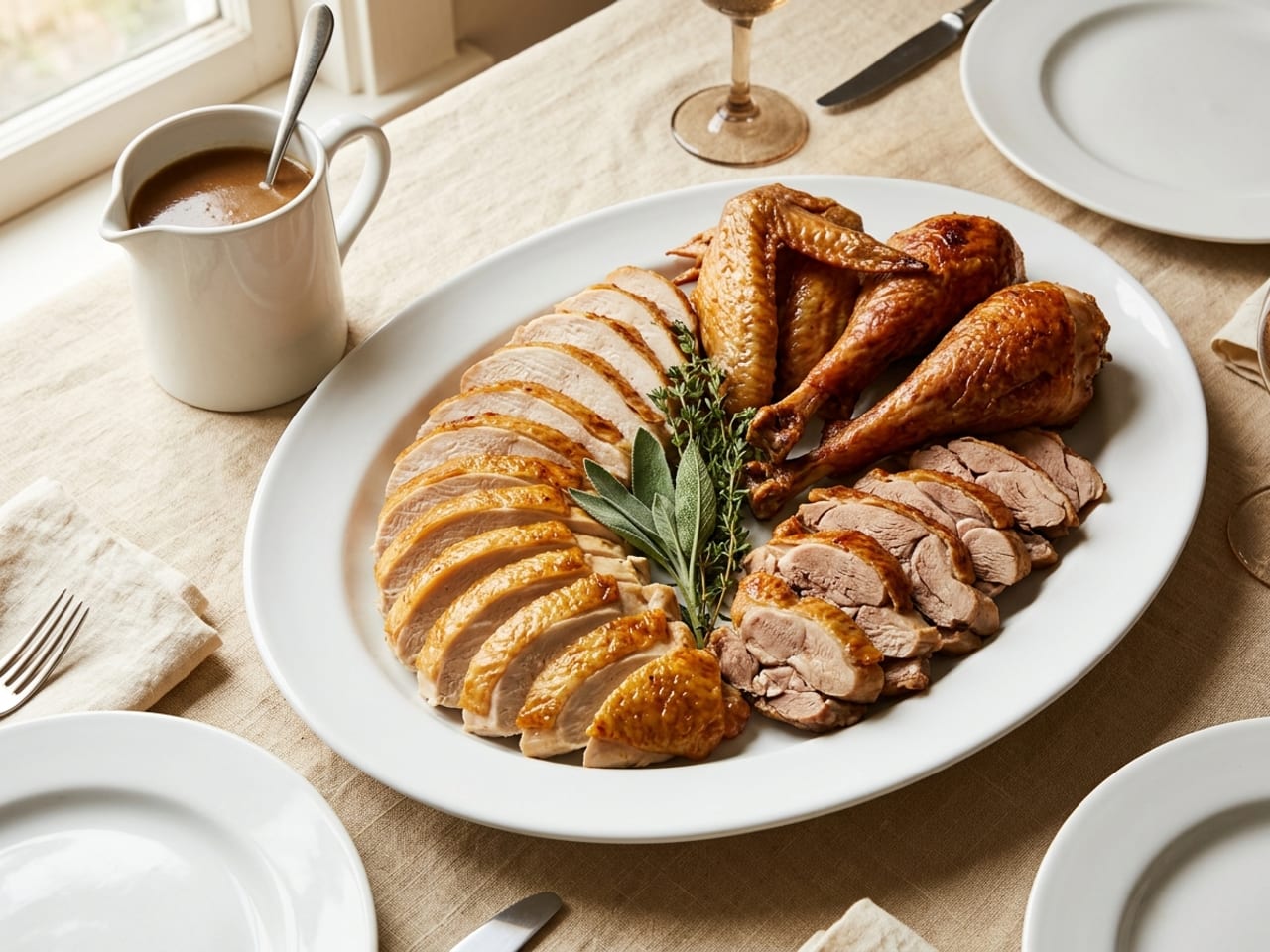
How to carve a turkey: the cuts in pictures, the platter and keeping it hot
Legs, thighs, wings, then each breast half off whole and sliced across the grain, with a picture after every cut and a diagram. How long to rest it, fork or tongs, where the big names disagree, a breast, a crown or a spatchcocked bird, the platter, keeping carved turkey warm and moist, carving ahead, and food safety.
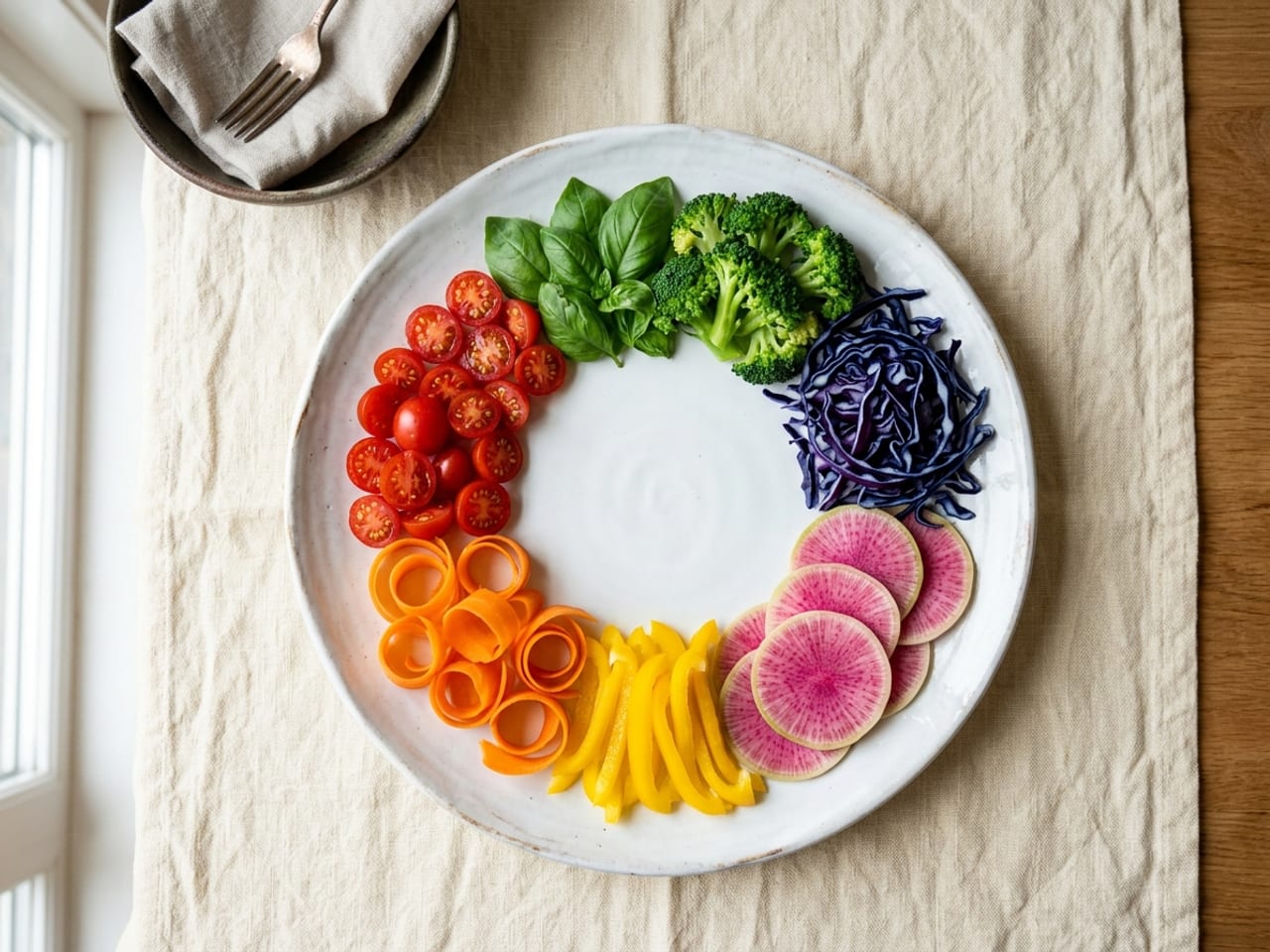
Color on the plate — a cook's guide to color
The food color wheel, complementary contrast, the 60-30-10 rule and choosing the plate itself — plus the research on how color changes what we taste before the first bite.
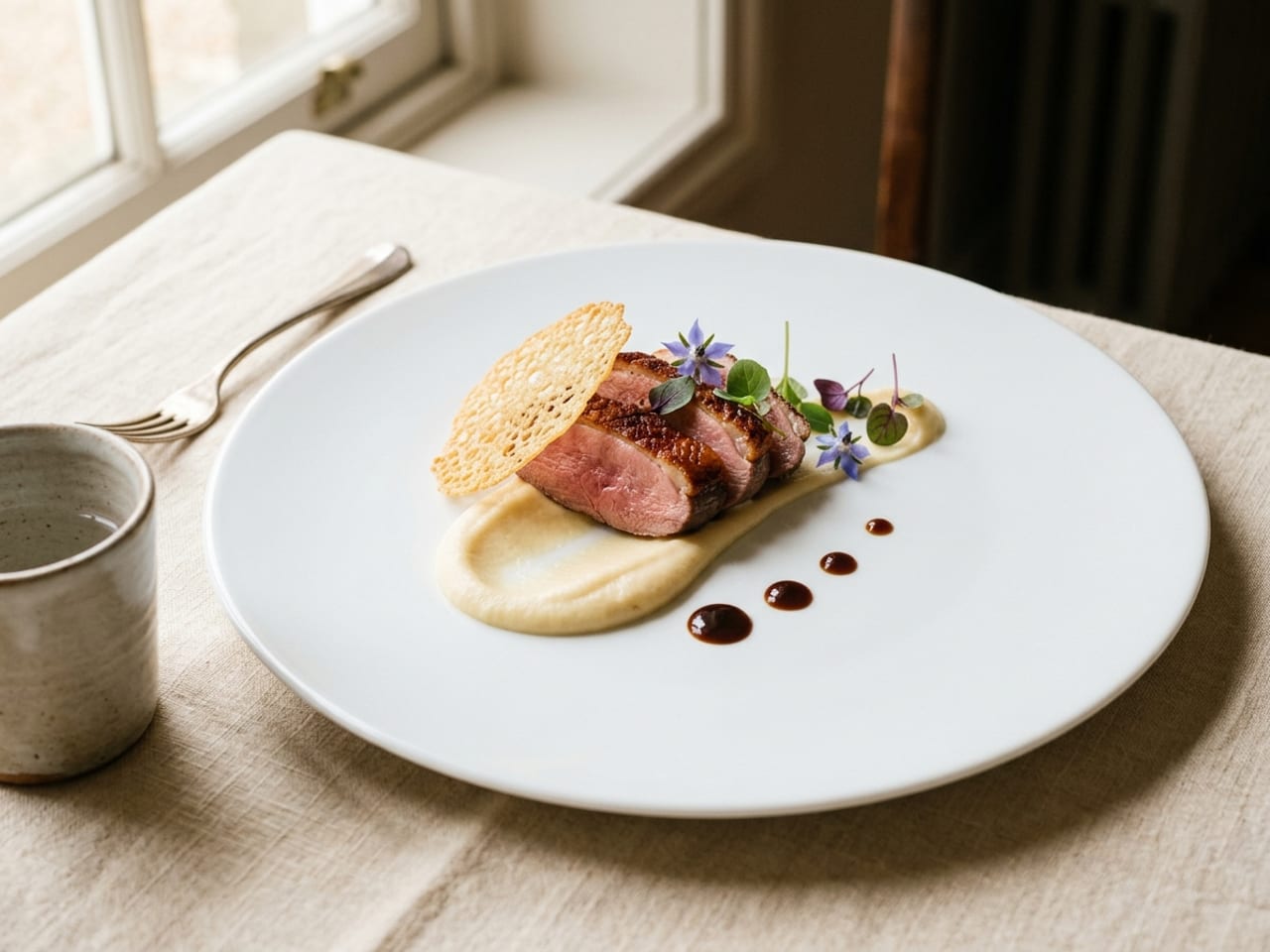
Michelin-star plating — the fine-dining anatomy
The purée-sear-crunch structure behind starred plates, the five signature moves, and how to run a sixty-second pass in a home kitchen — with the research on why composed plates taste better.
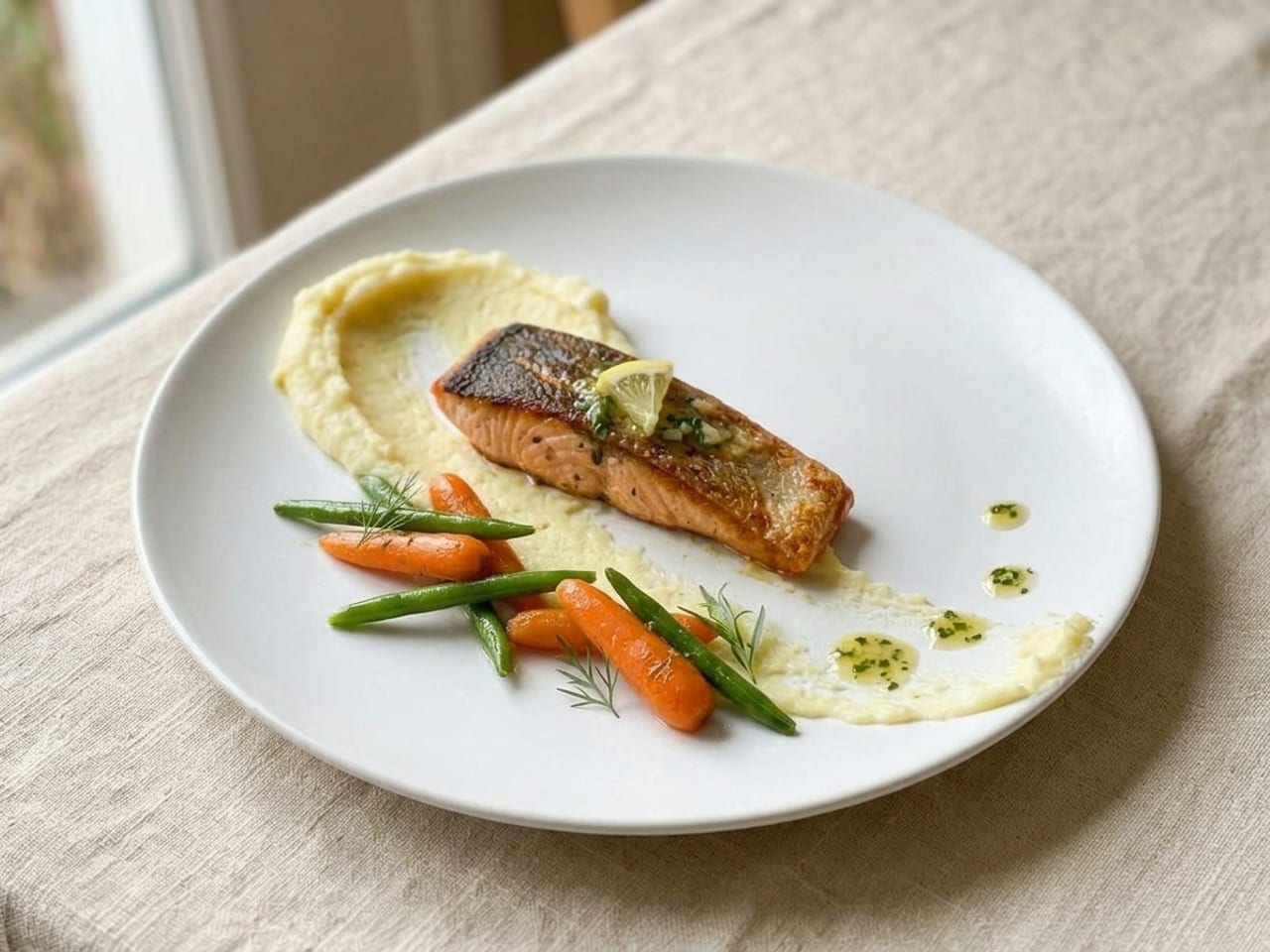
Plating techniques & styles — the illustrated glossary
Classic, free-form, landscape, stacked, Nordic, deconstructed, hide-and-seek and bathing — every style defined and shown on the same dinner, plus the sauce and shaping techniques, the parts of a plate, the tools, and which layouts diners actually prefer.
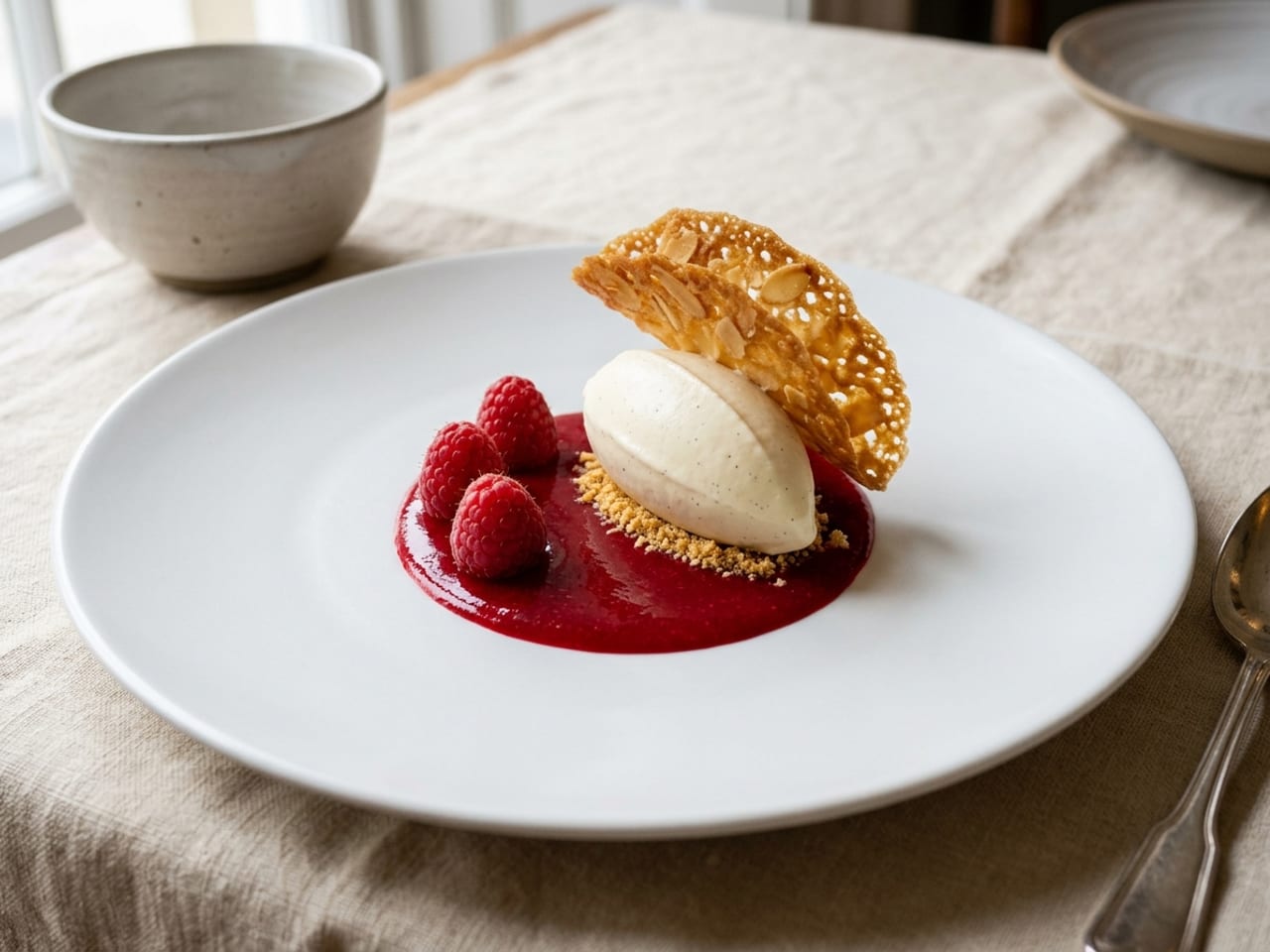
Coulis, tuile, quenelle: 16 plating components, defined
The parts of a fine-dining plate: coulis, tuile and quenelle, then purées, crumbs, crisps, fluid gels, spheres, foams, herb oil and pickles, each with a base ratio, its job on the plate, the usual failure and its fix, plus the gel science and safety.
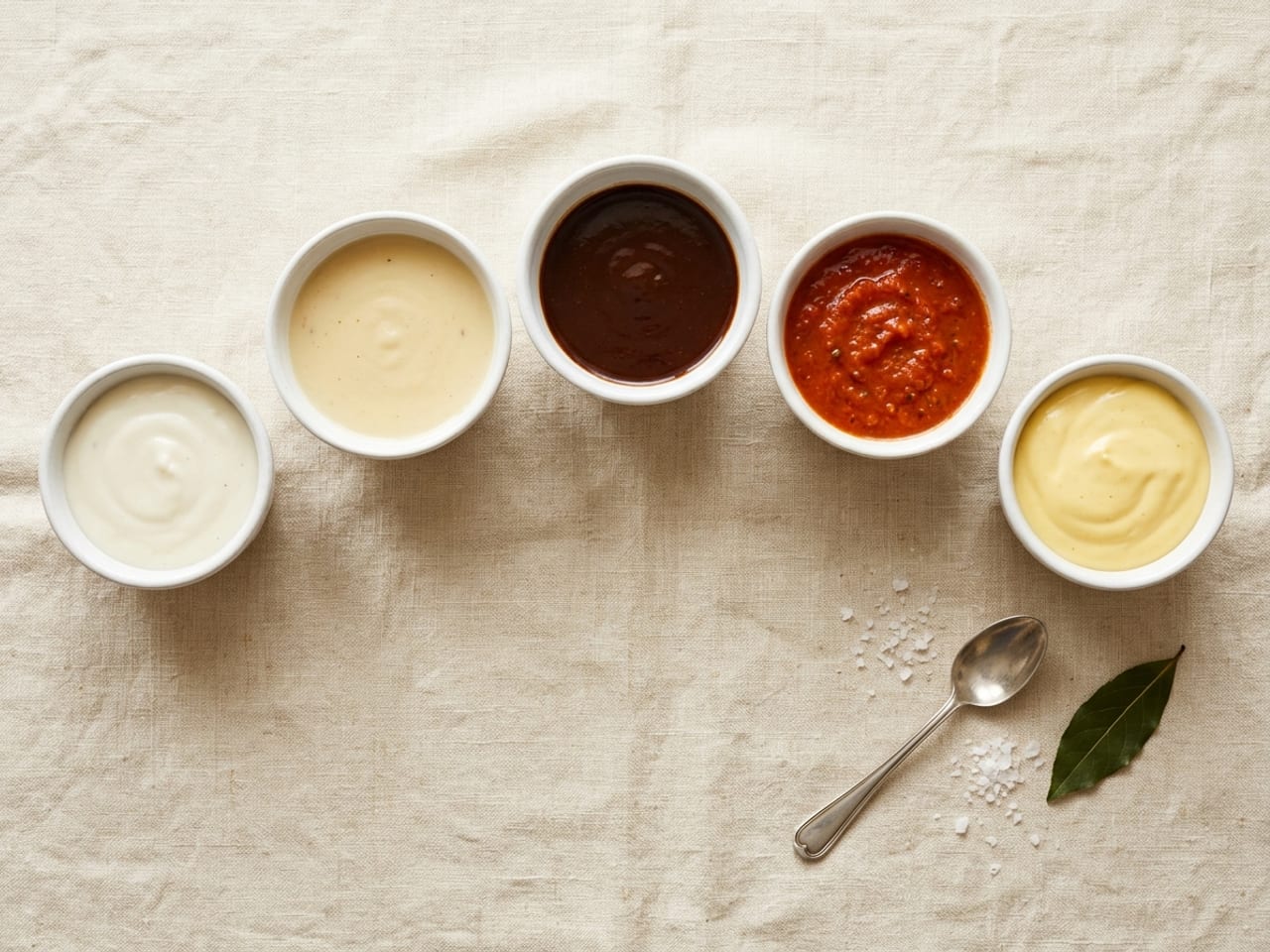
The five French mother sauces — explained, made and plated
Béchamel, velouté, espagnole, sauce tomate and hollandaise: how each is thickened, the small sauces that come from it, the fixes when it goes wrong, and where a chef puts sauce on the plate — with Carême, Escoffier and the food science.
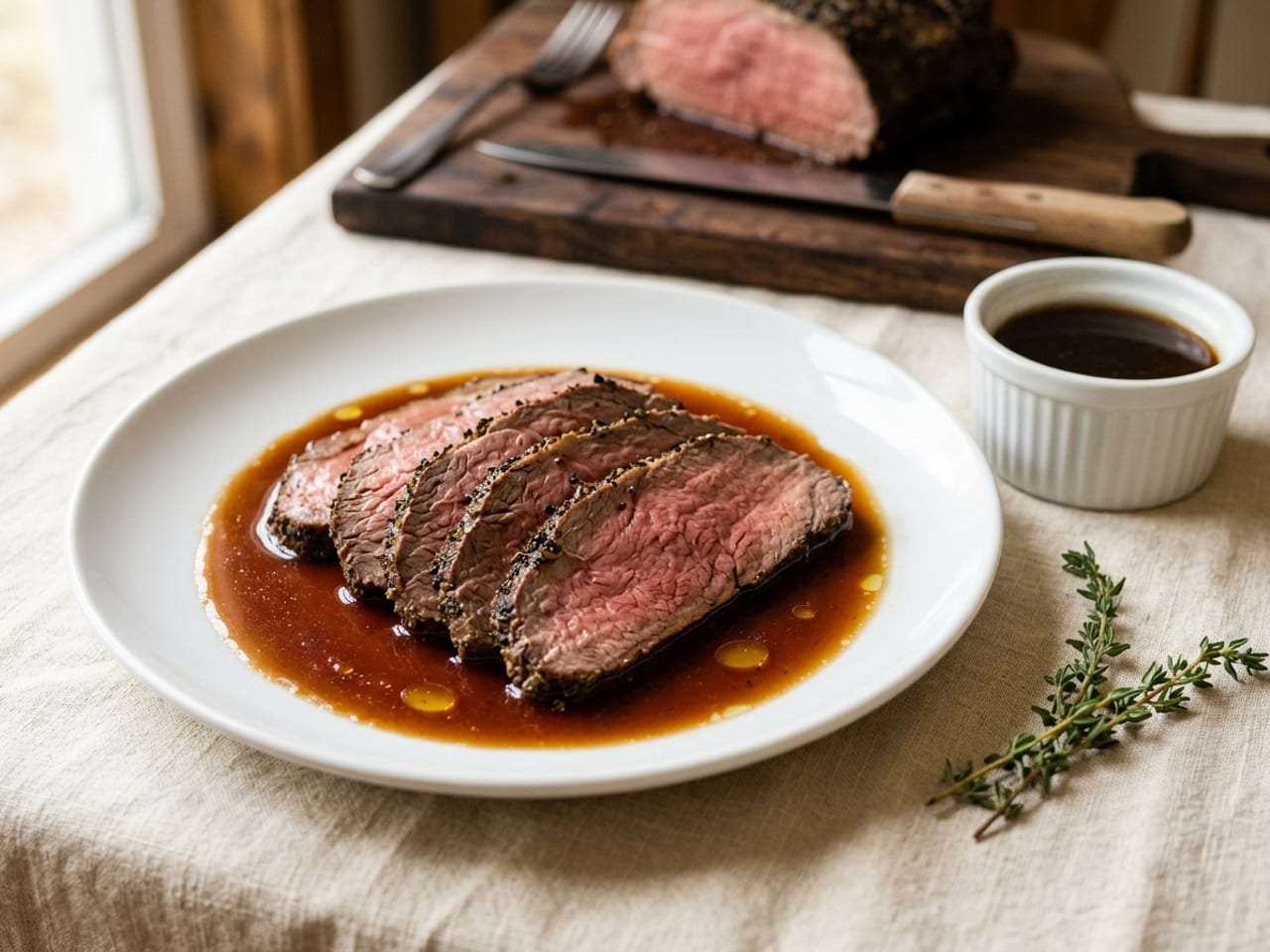
Au jus: what it is and how to make it
The thin roast-beef sauce with or without drippings: two recipes, a ratio for any crowd, jus vs gravy vs demi-glace in one table, how to plate it, the fixes, and the salt math behind the packet.
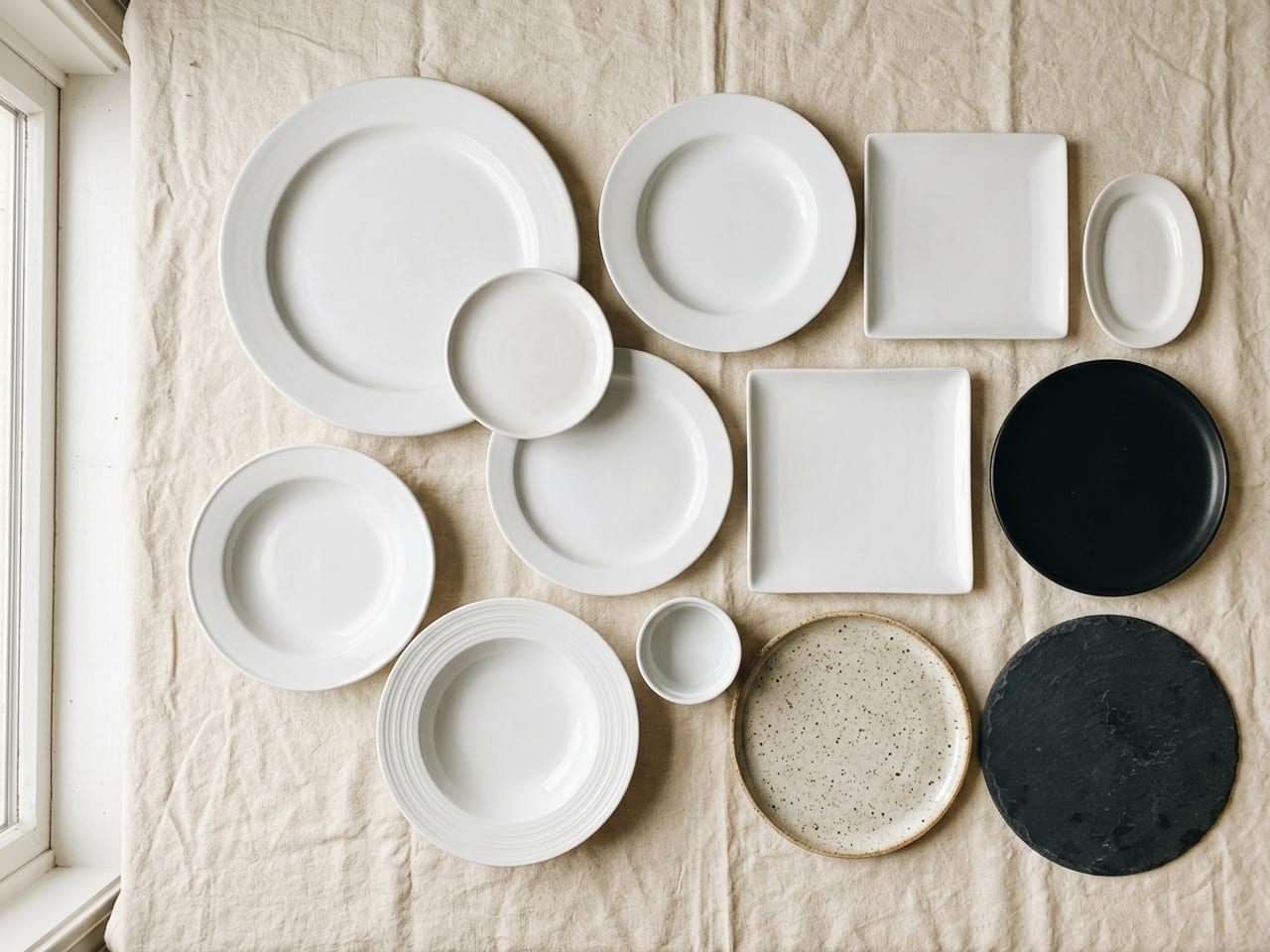
Types of plates — sizes, shapes, materials and what each is for
Charger, dinner, salad, bread, dessert and soup plates with their standard sizes; rimmed versus coupe; porcelain, bone china, stoneware and the rest compared; ramekins, cloches, platters and the plates of Japan and India — plus the research on how the plate changes what you taste.
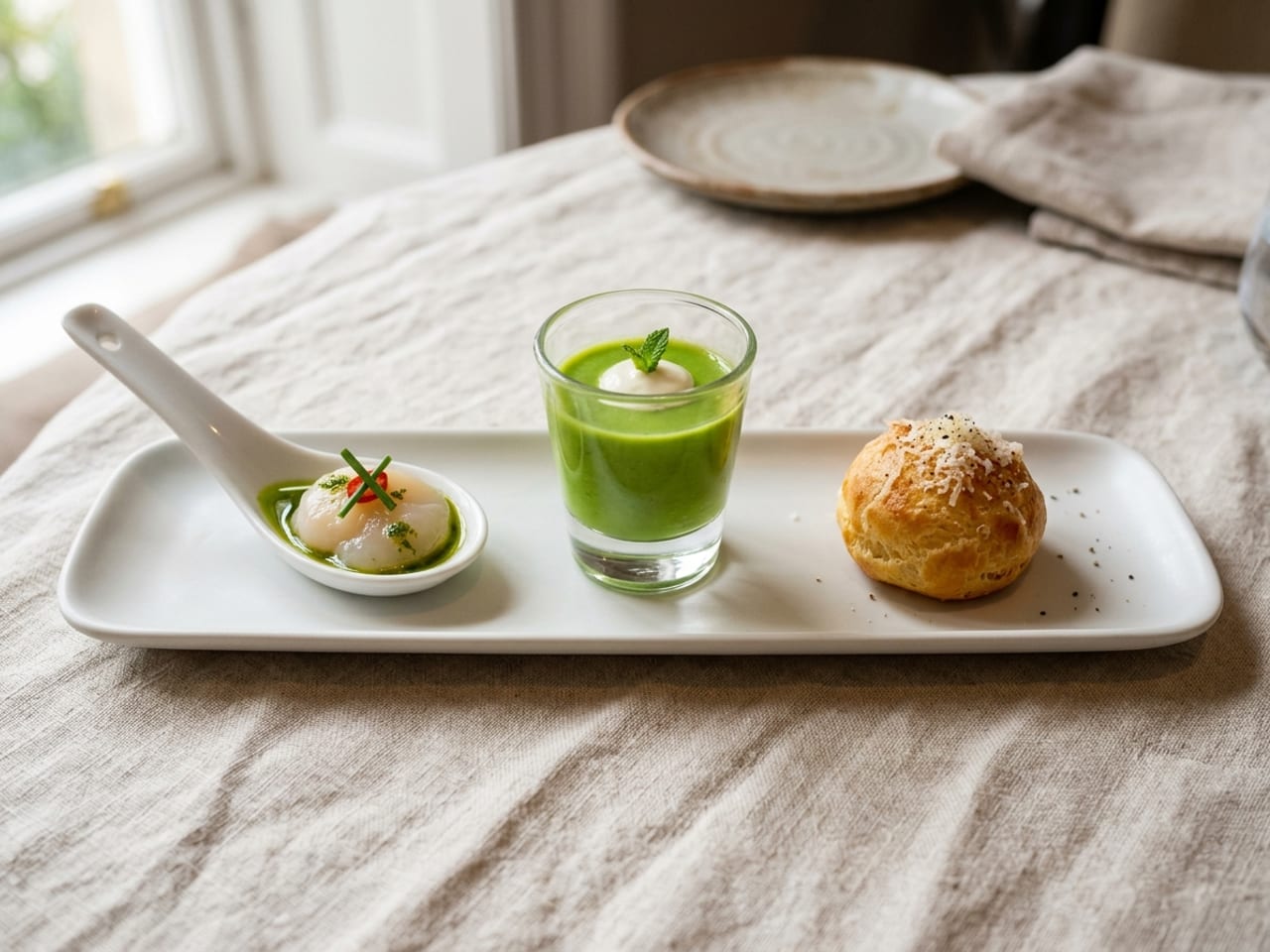
What is an amuse-bouche? Meaning, history and 12 ideas
The free first bite before dinner: what the word means, where it came from, how it differs from hors d'oeuvres, canapés and appetizers, how to build one, twelve make-ahead ideas, the food-safety rules and what the research says about a first taste.
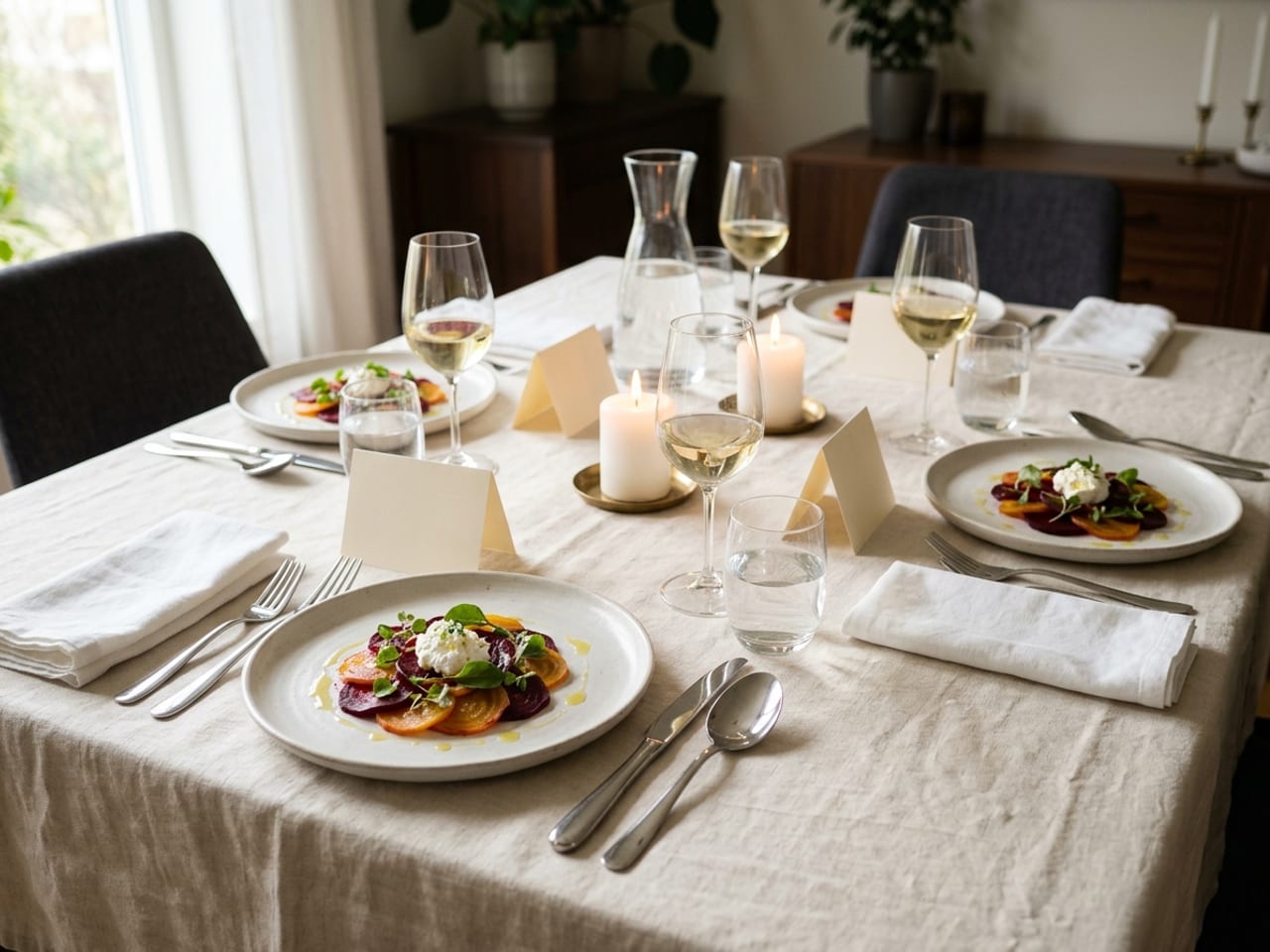
Prix fixe meaning: vs à la carte, tasting menus and more
Every menu term from prix fixe to omakase, the real math on the bill, the fine print on tips and supplements, and how to cook, pace and plate a seven-course tasting menu at home.
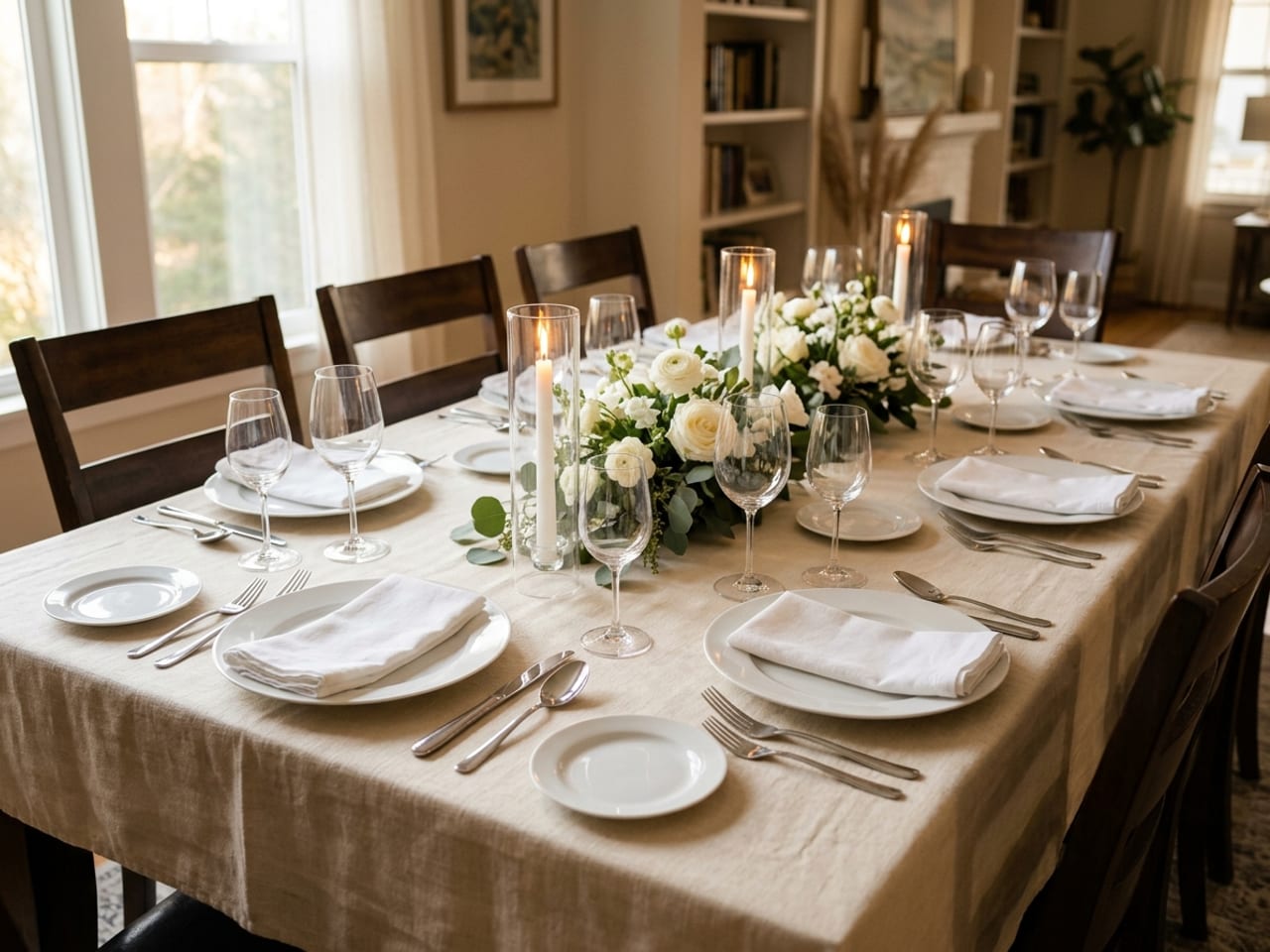
How to set a table: place setting rules and etiquette
Basic, informal and formal settings photographed from above, where every fork, knife and glass goes and why, the glass order, American versus British and French tables, spacing, setting from the menu, and the history and research.
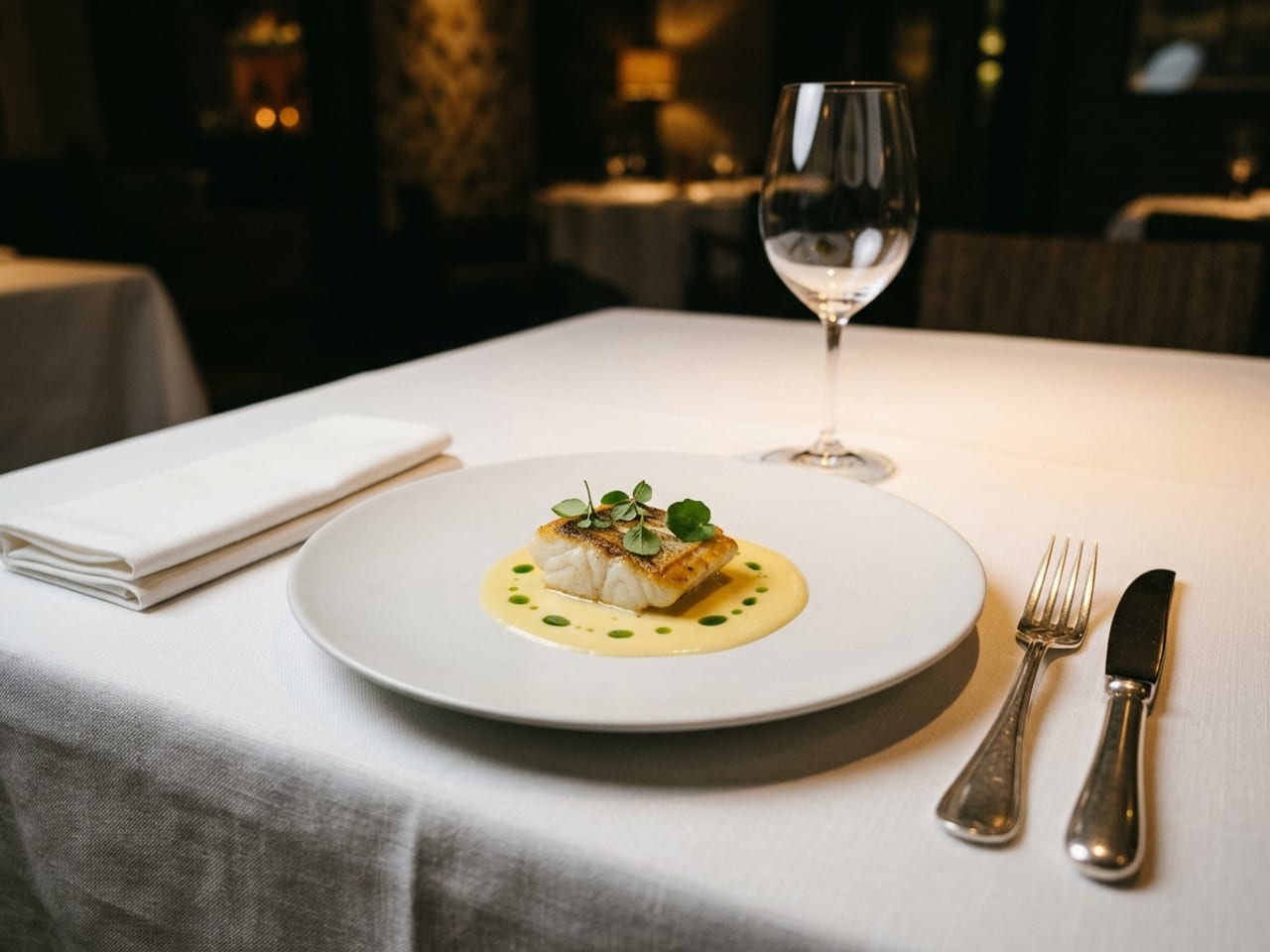
How Michelin stars work: 1, 2 and 3 stars explained
What each level means in Michelin's own words, the five criteria, how anonymous inspectors decide, how stars are won and lost, the Bib Gourmand, Green Star and Keys, and dated counts for the world and the US.
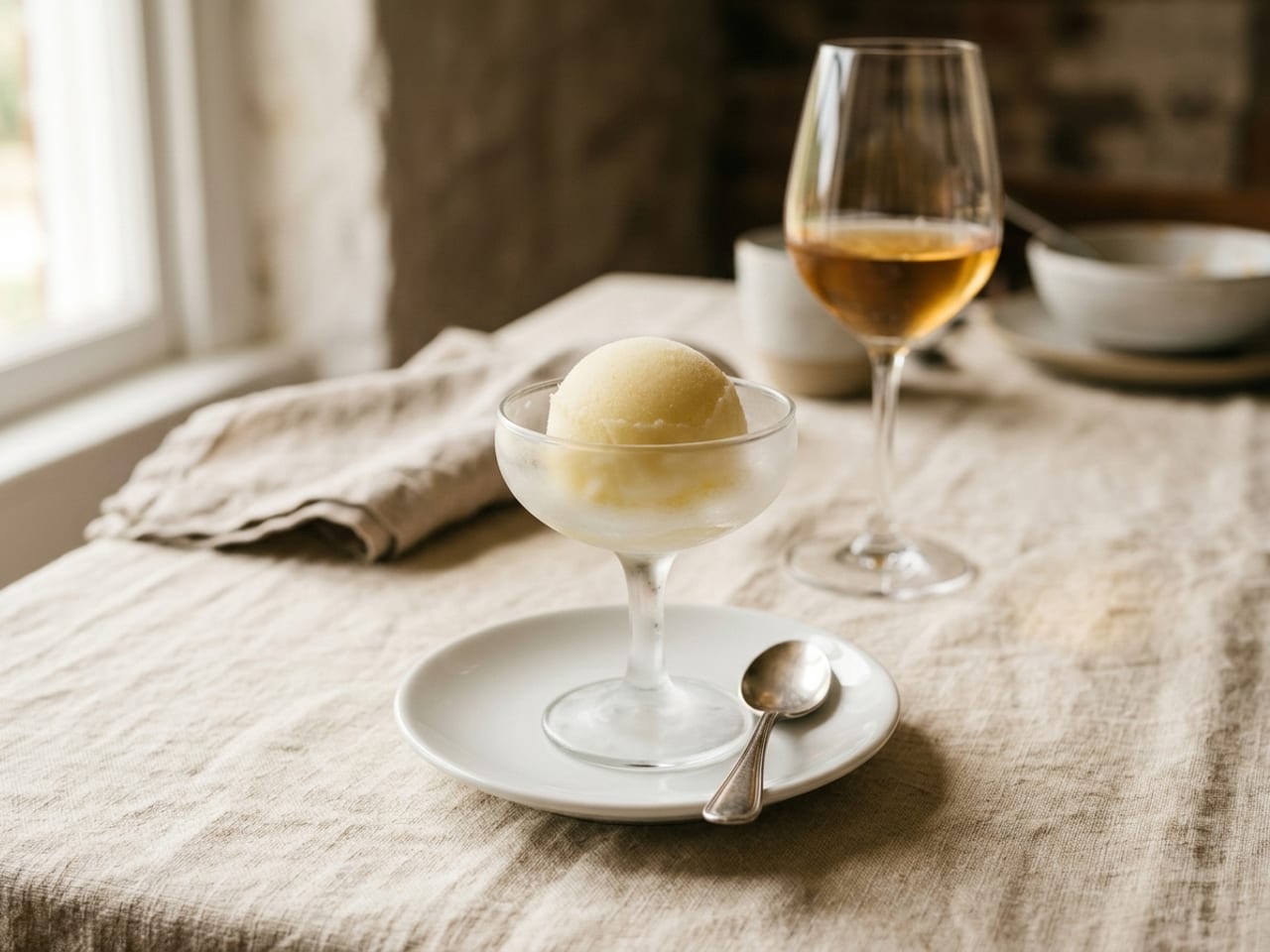
Palate cleansers: what they are, 14 ideas and when to serve one
The sorbet between courses, explained: intermezzo, trou normand and the other names, where it goes in the meal, what taste-panel research really found, 14 ideas beyond lemon sorbet, and how to portion, plate and time one.
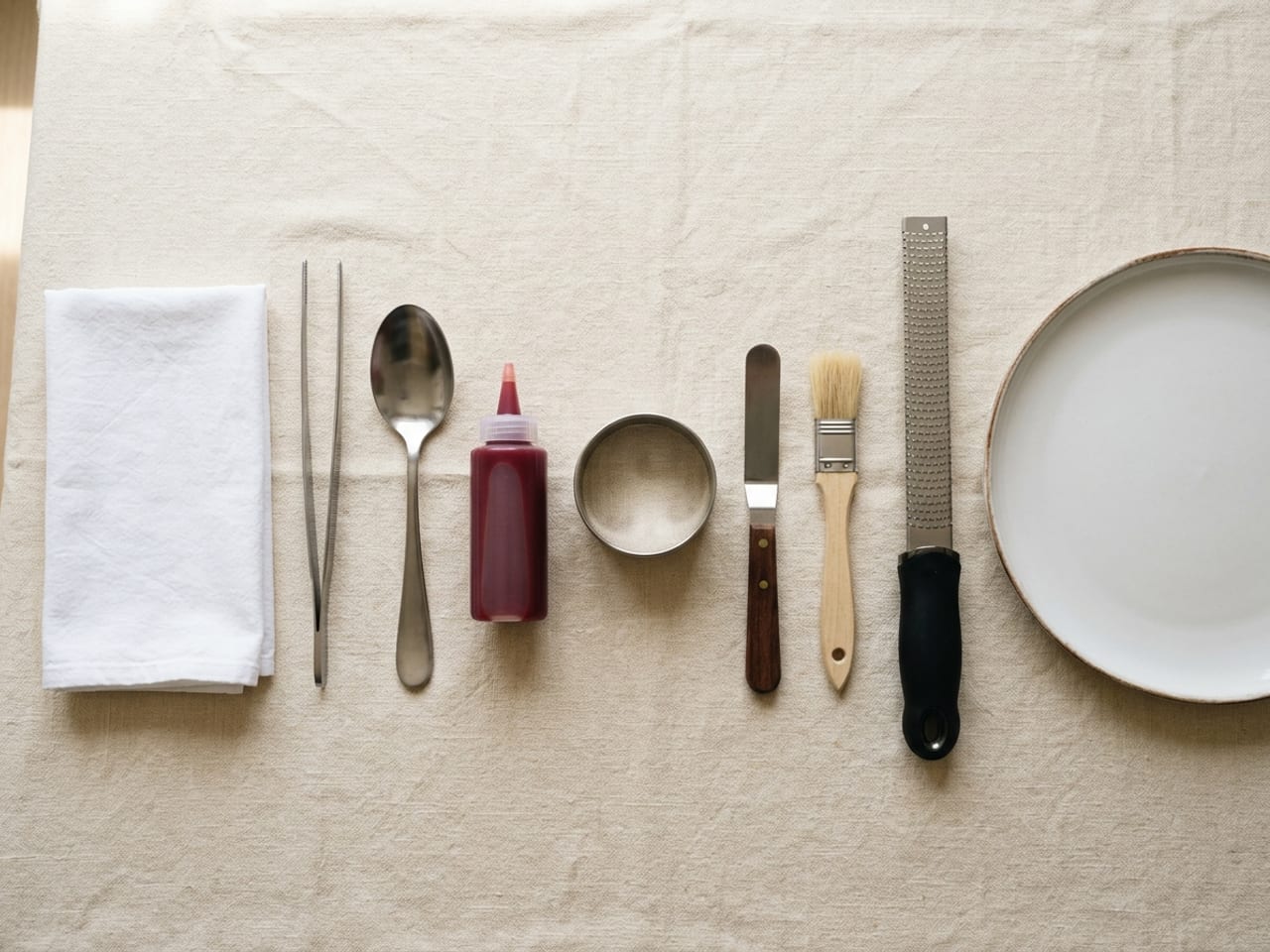
Food plating tools: 20 names, uses and what to buy first
Plating tweezers, the sauce spoon and the saucier spoon, squeeze bottle, ring mold, offset spatula and 14 more: what each is called, the mark it makes, what to use from the drawer instead, what tested reviews looked for, care and food safety.
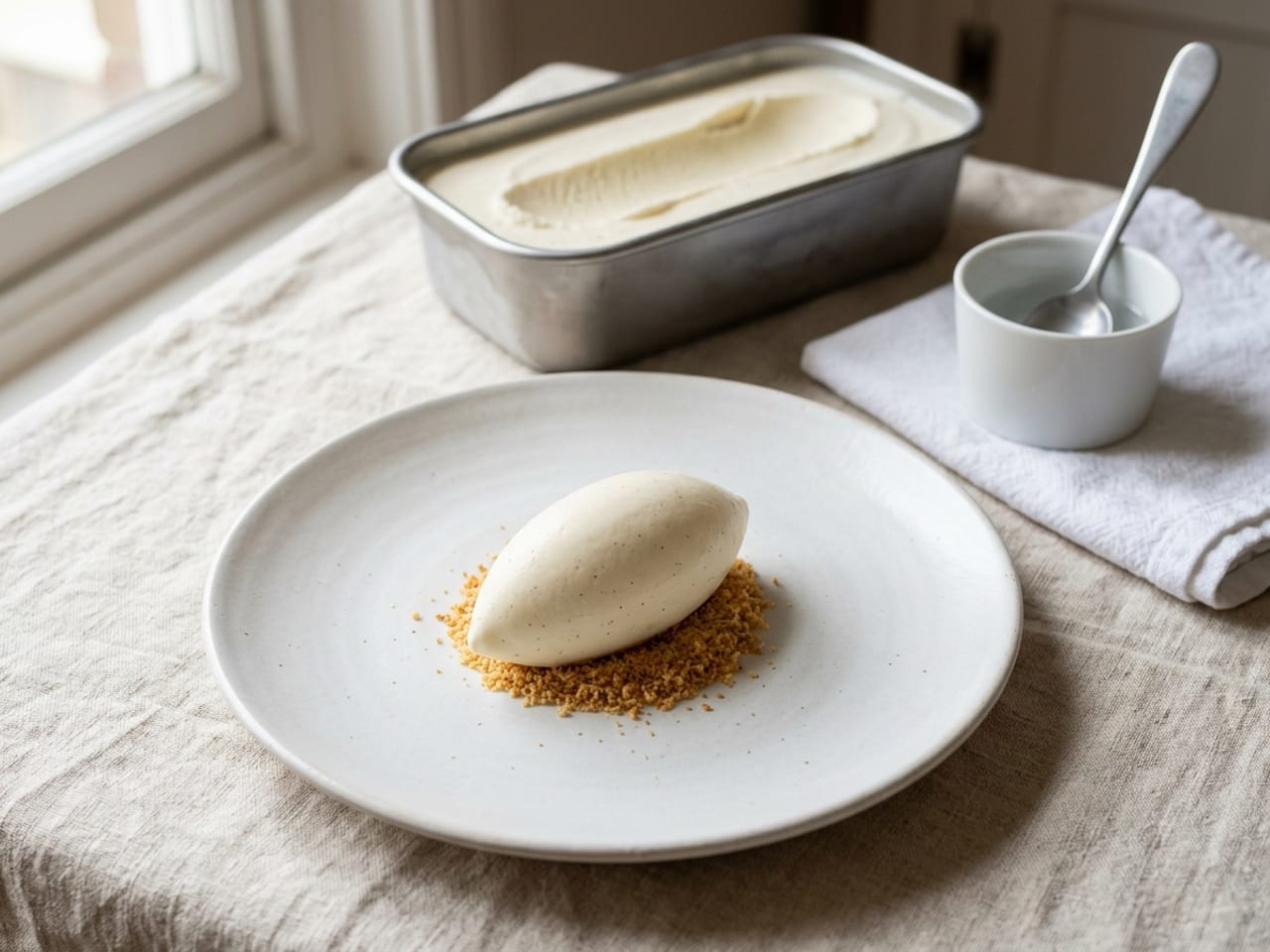
The quenelle: how to shape one with one spoon or two
What a quenelle is and how to say it, the one-spoon rocher and the two-spoon quenelle step by step, how warm the spoon should be, the right texture for each food, the crumb anchor, fixes, and the pike quenelles of Lyon.
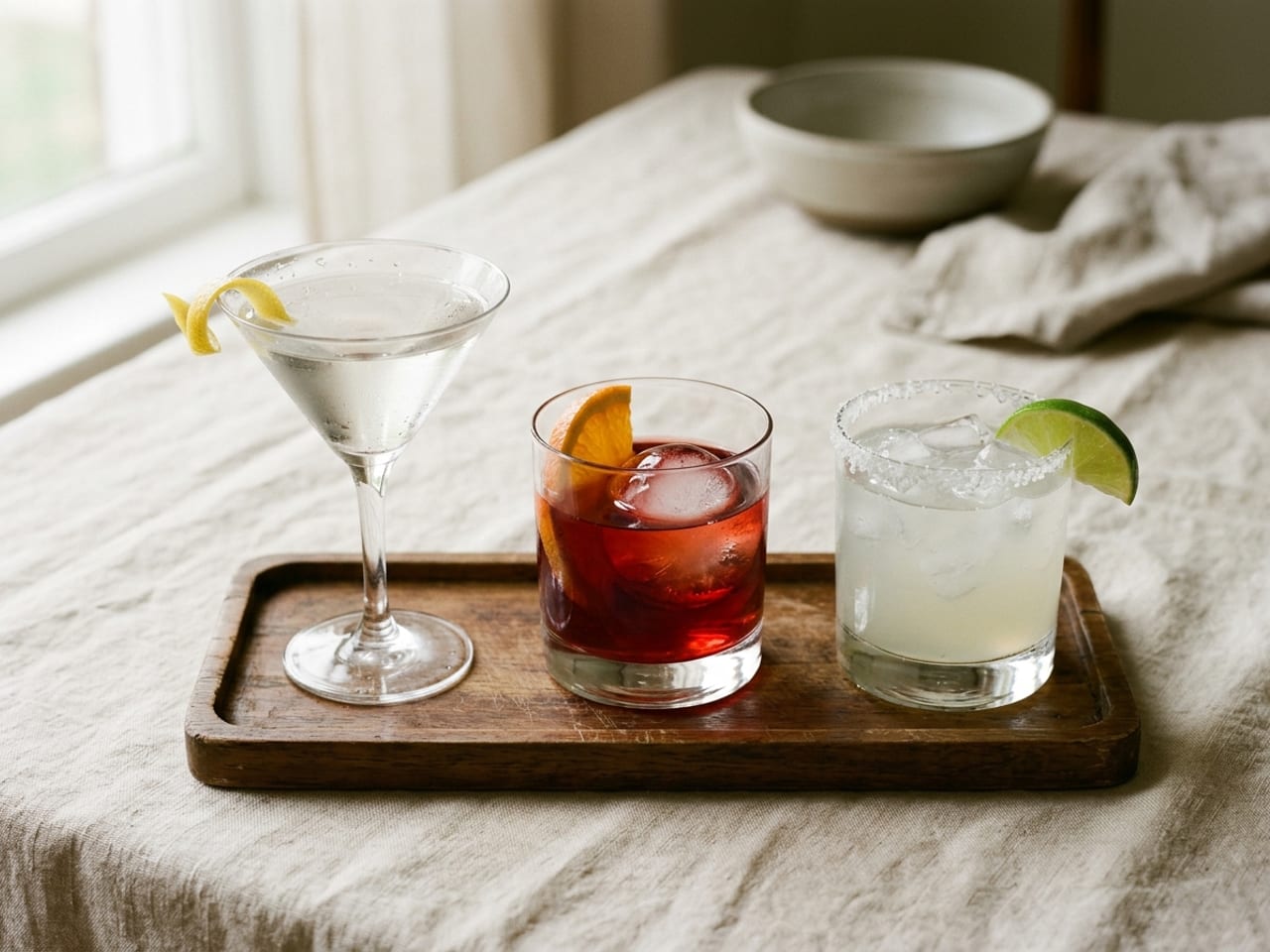
Cocktail garnishes: how to garnish 20 classic drinks
Plating for a glass: the official garnish for twenty classics, how to cut twists, wheels, wedges and rims, flame an orange peel and dry citrus, a garnish glossary, the safety rules for peel and flowers, and what the research says about aroma.
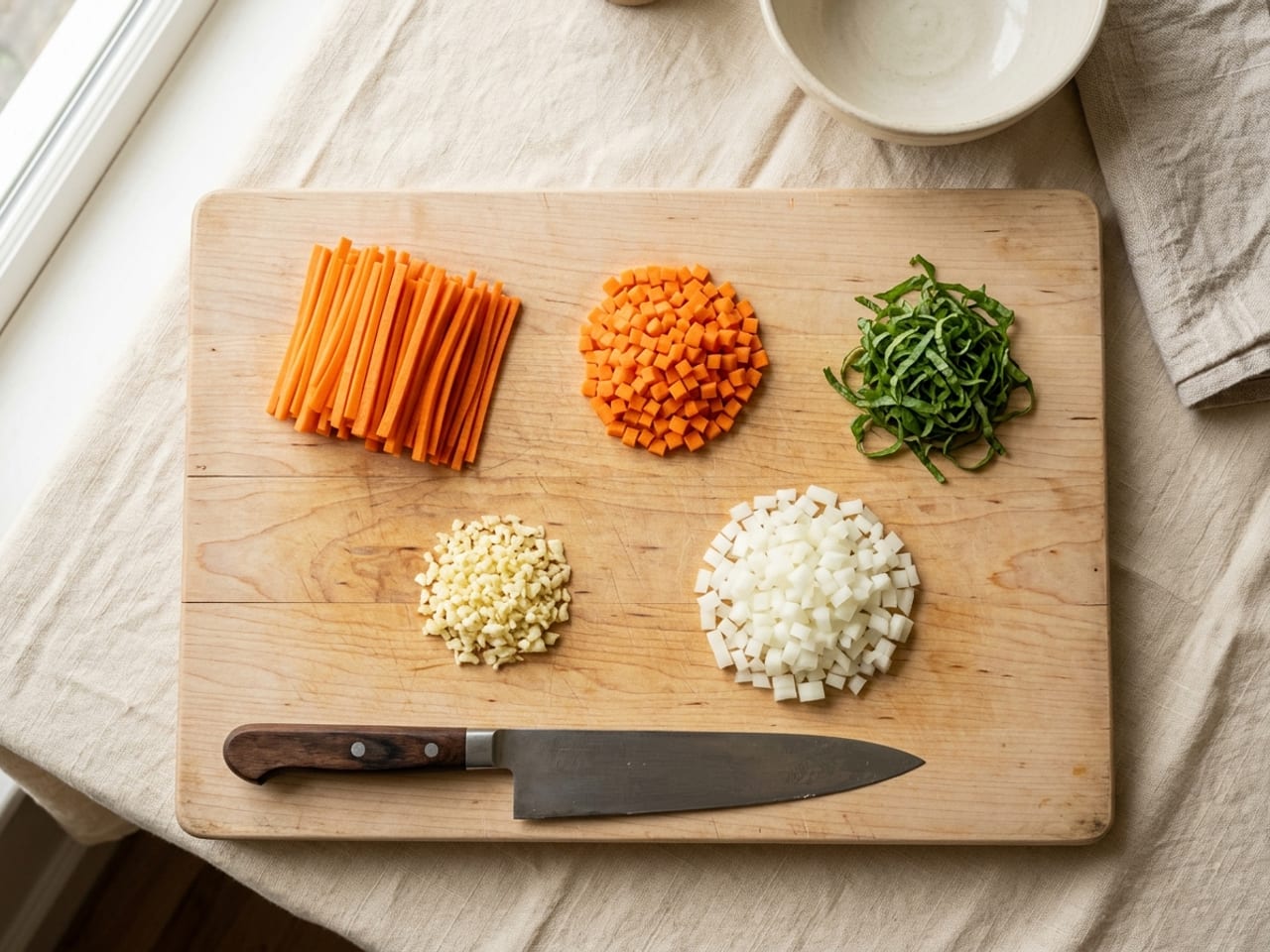
Knife skills: julienne, brunoise, chiffonade and dice
How to hold a chef's knife and the claw grip, five cutting motions and which knife to use, then julienne, brunoise, basil chiffonade, onion dice and garlic paste step by step, with a troubleshooting table, safety and the history of the words.
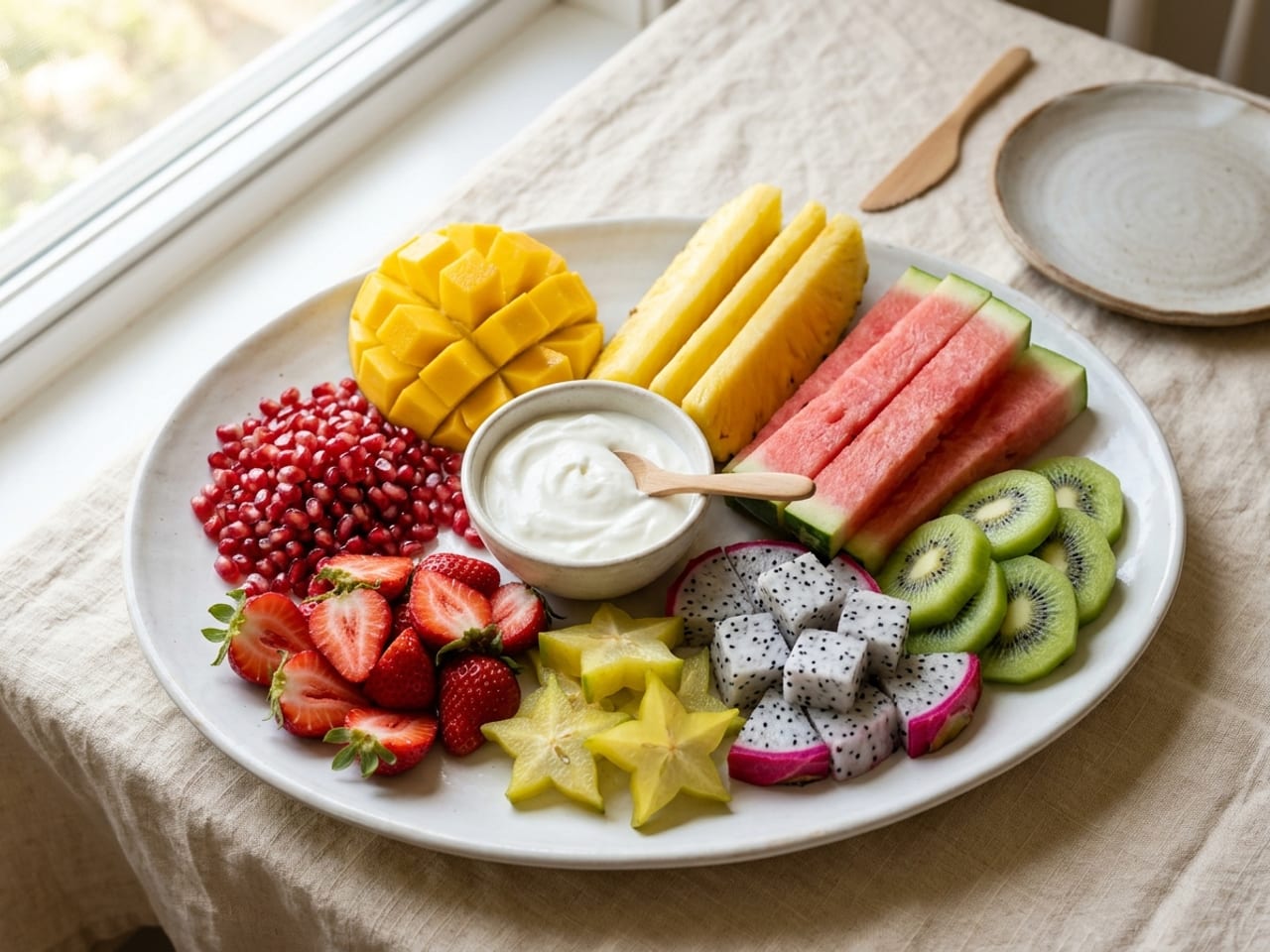
How to cut fruit: mango, pineapple and ten more
The mango hedgehog, the spiral-cut pineapple, citrus suprêmes and nine more fruits step by step, with USDA yields, how long cut fruit keeps, how each cut looks on a plate or a platter, and the safety rules from avocado hand to washing melons.
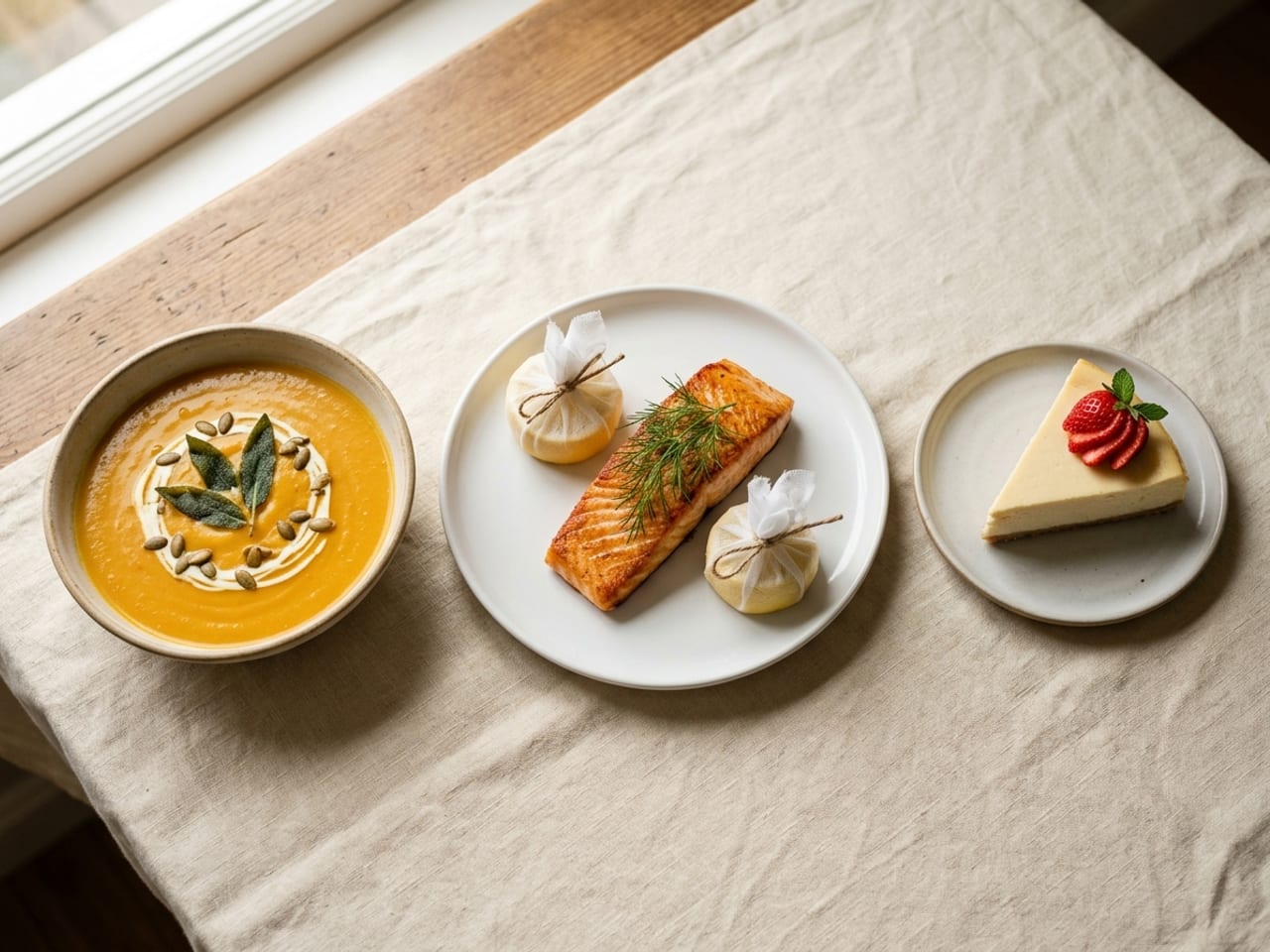
Food garnish ideas: 12 types and how to make each
Herbs, citrus, crunch, pickles, edible flowers and microgreens, each with a photo and a how-to; which flowers are safe and which are poisonous, garnish ideas for sixteen dishes, and why parsley is on every plate.
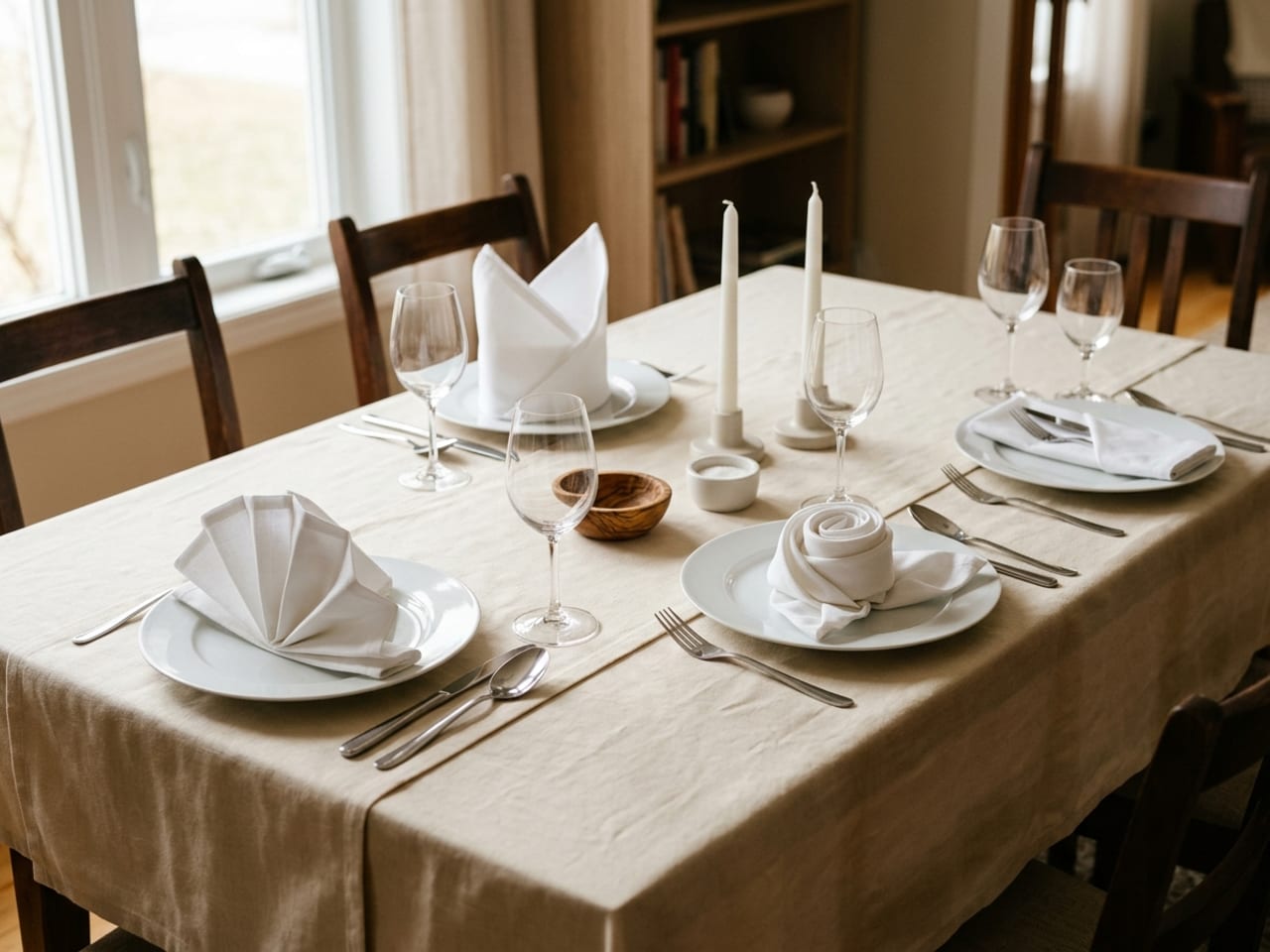
How to fold napkins: 18 easy and fancy folds
Every fold drawn step by step, from the ten-second oblong to the bishop's hat, rose, Christmas tree and Thanksgiving turkey, with the napkin size, starch and paper each needs and where the napkin goes on the table.
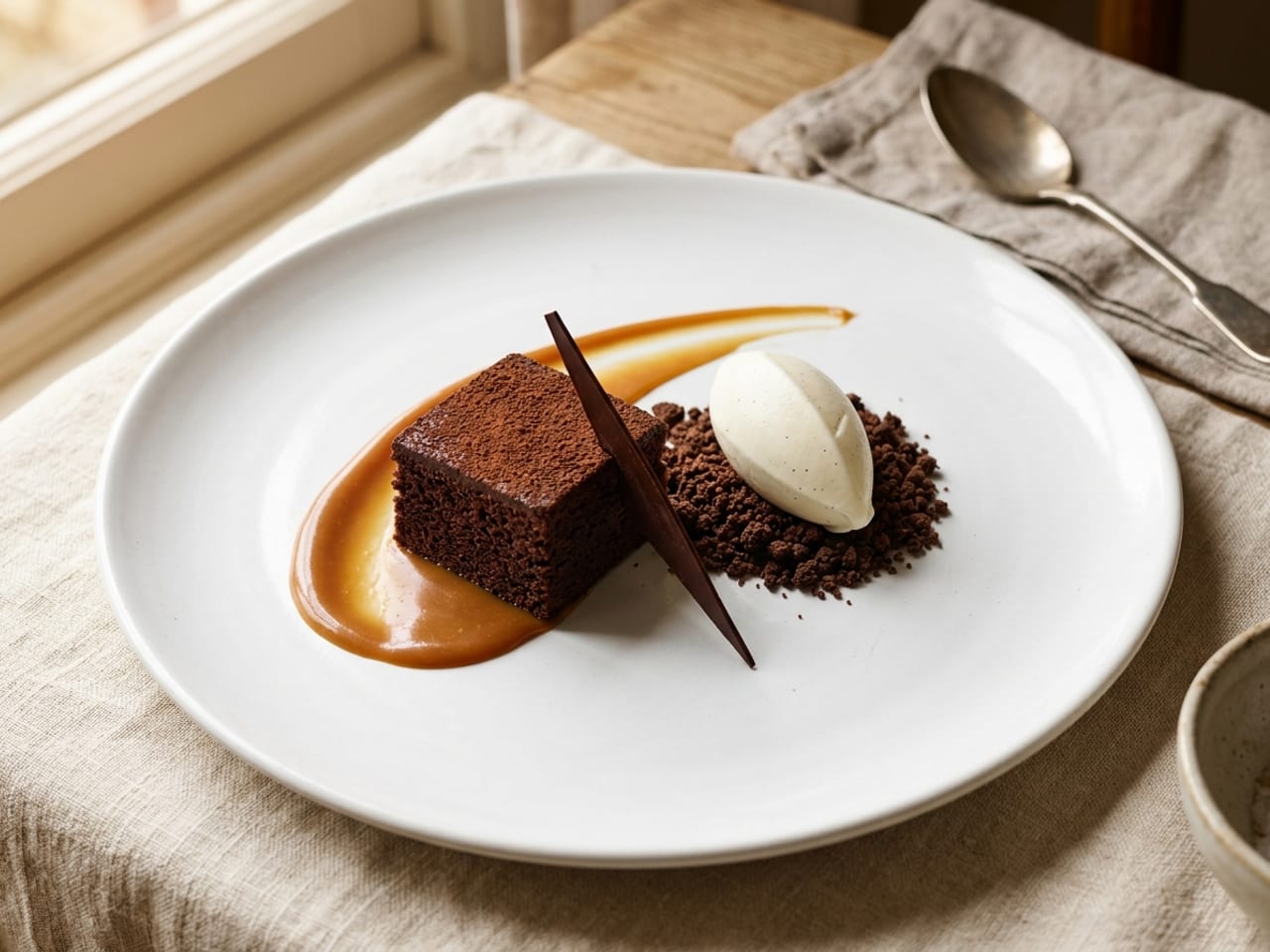
Dessert plating — the pastry chef's system
The five-component anatomy of a plated dessert, the quenelle and five other signature moves, and which plating "rules" actually survived scientific testing.
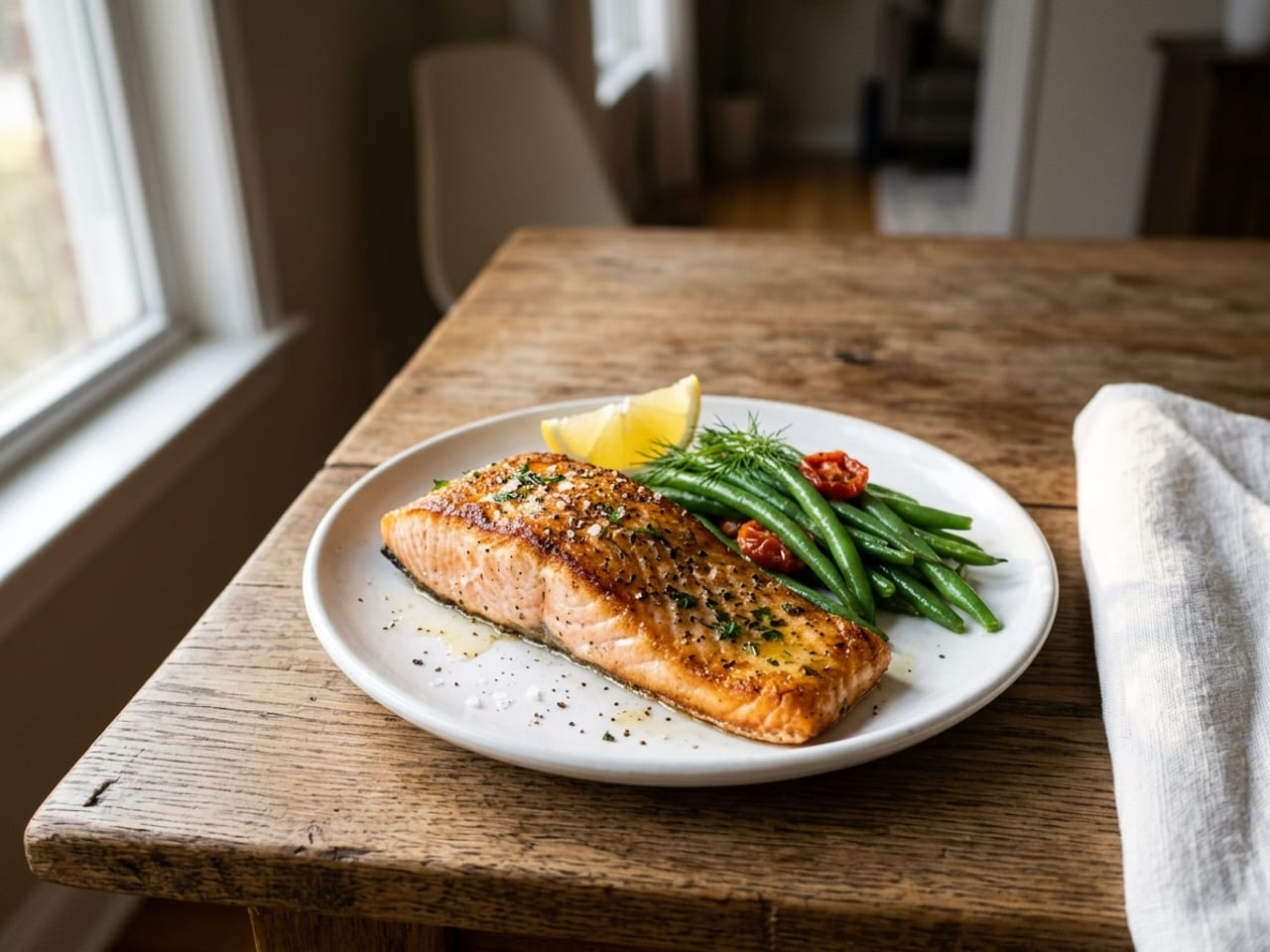
How to photograph food: lighting, angles and phone settings
Where to put the light, what to do after dark, which angle suits which dish and what to set on an iPhone, a Pixel or a Galaxy, with the sources named and our own suggestions marked.
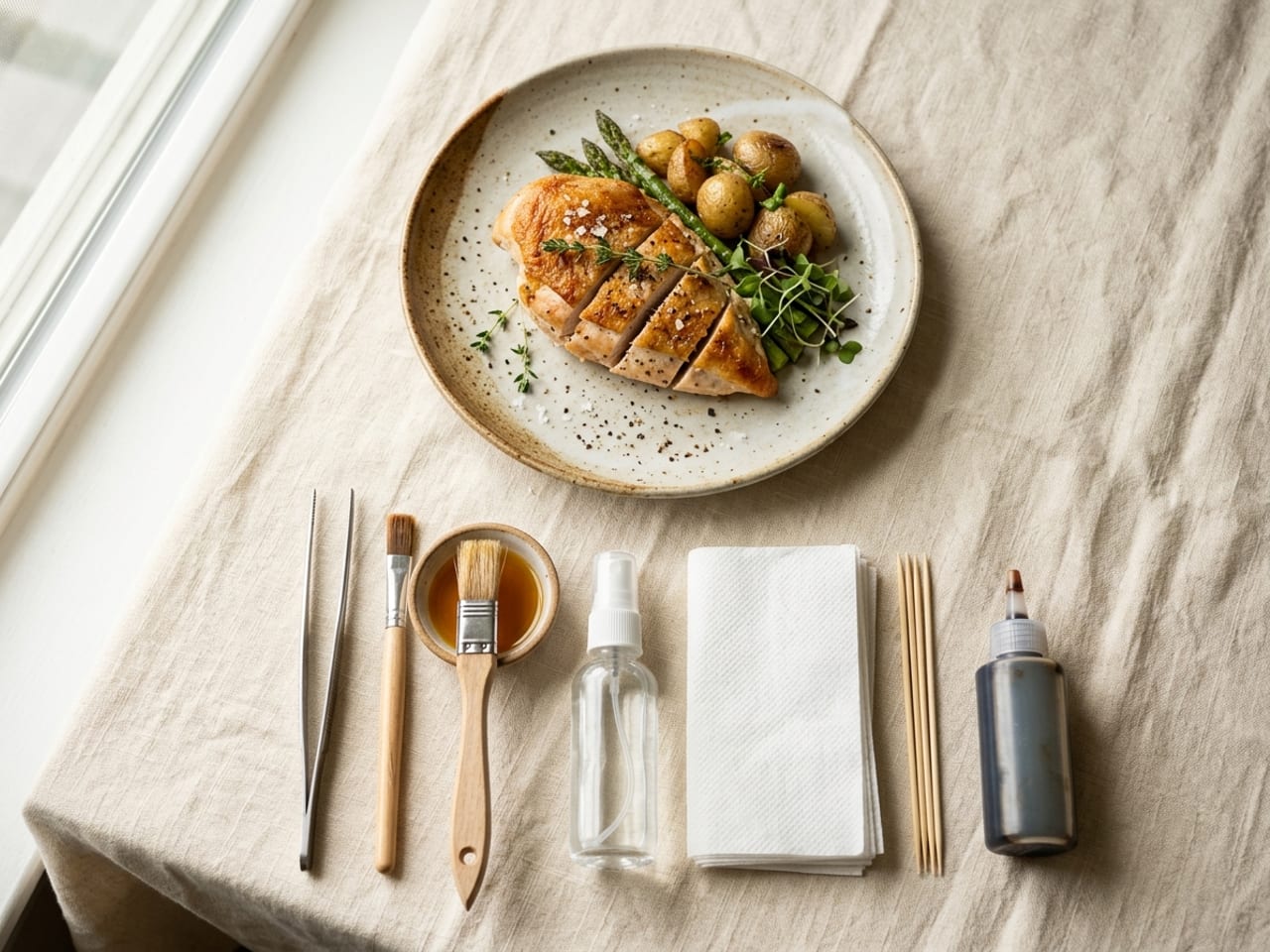
Food styling — make real food look good
The edible stylist toolkit: gloss, mist, height and last-second garnish — every trick safe to eat, and the ad-industry ones to skip.
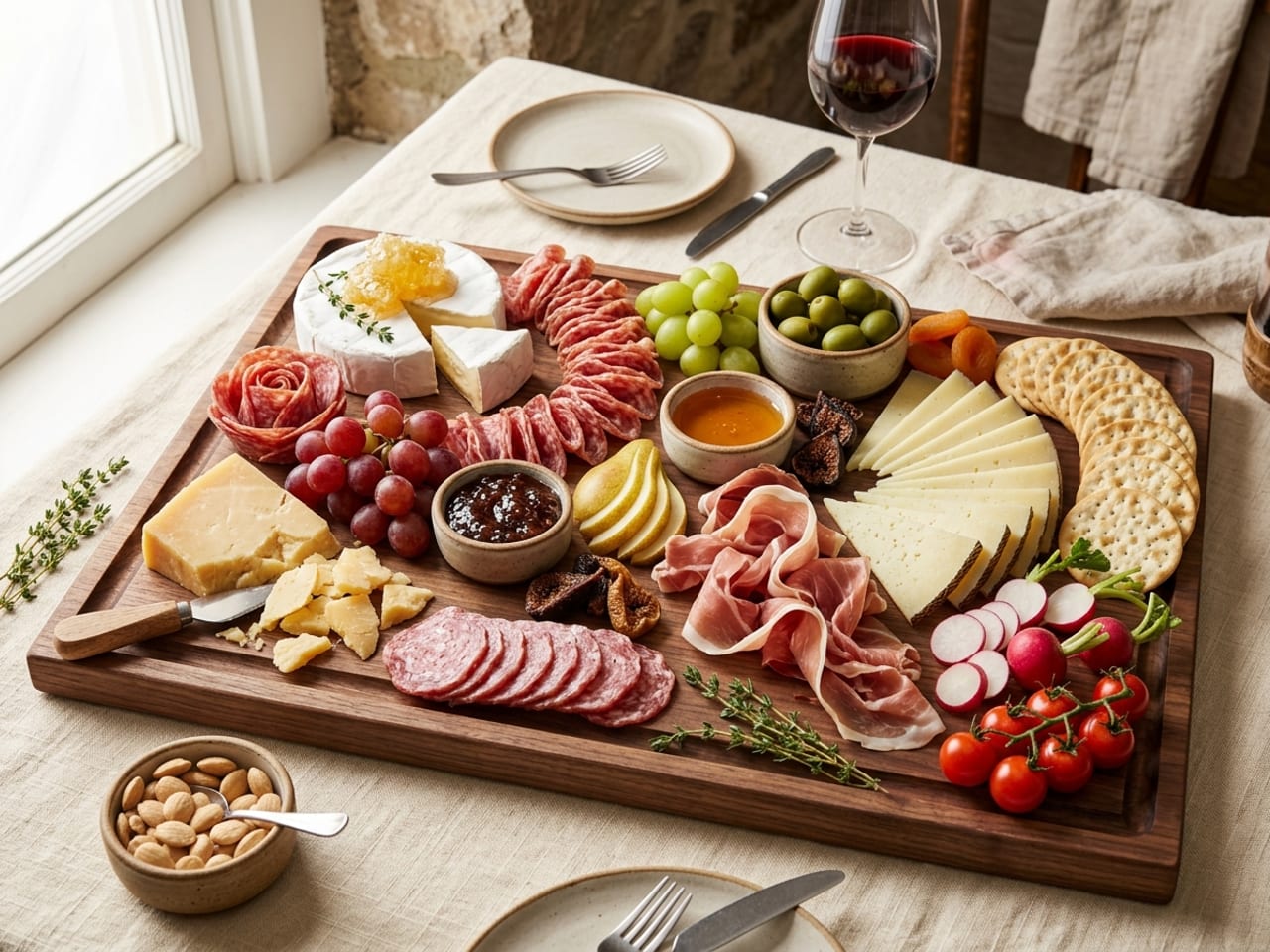
How to make a charcuterie board: the boards flagship
Plating at table scale: how much per person, what to buy, the arrangement method, the meat folds, the safety windows and themed boards for every occasion.
More guides are in the works. The culinary glossary now runs from au jus to menu terms and how Michelin stars work, the palate cleanser and the quenelle, and the plate's components have their own glossary, as do the plating tools. Knife cuts have their own chart, drawn to scale, and fruit has its own cutting guide, and steak has its own plating guide, as does salad. For the table itself, see how to set a table and how to fold napkins, and for the menu, the courses of a meal in order. Sauce has its own guide too: sauce plating techniques. For the holiday bird, see how to carve a turkey. Meanwhile, the fastest way to learn is on your own food: plate a dish and get a re-plated reference back.